
Expert Surveying With Mini 5 Pro on Coastal Highways
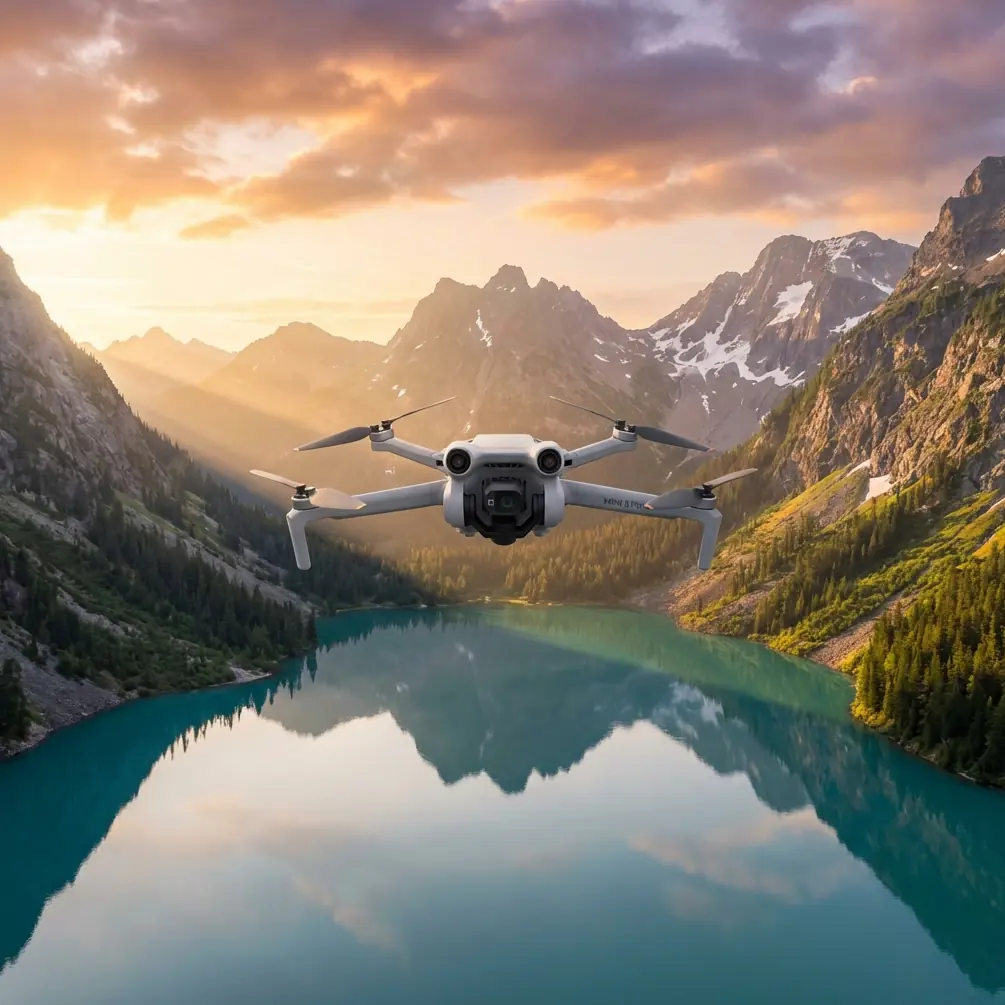
Expert Surveying With Mini 5 Pro on Coastal Highways
META: A practical Mini 5 Pro tutorial for coastal highway surveying, covering wind shifts, obstacle avoidance, subject tracking, D-Log workflow, and safer mid-flight decision-making.
Coastal highway surveying exposes every weakness in a small drone. Wind comes off the water in uneven bursts. Salt haze softens contrast. Traffic creates constant movement below, while guardrails, light poles, bridge edges, and signage complicate every low-altitude pass. That is exactly why the Mini 5 Pro is such an interesting tool for this job. Not because it turns a difficult mission into an easy one, but because its combination of obstacle avoidance, ActiveTrack-style subject tracking, QuickShots, Hyperlapse options, and D-Log capture can make a lightweight platform far more useful than many pilots expect.
This tutorial is built around a very specific scenario: surveying a coastal highway corridor when the weather changes mid-flight. That shift matters. On paper, a flight plan can look clean and linear. In the real world, conditions bend the route, alter camera choices, and force you to decide whether to continue a pass, reposition, or land. The Mini 5 Pro earns its place when those decisions need to happen quickly.
Why the Mini 5 Pro fits coastal corridor work
Highway surveying near the coast often sits in an awkward middle ground. A larger enterprise platform may be ideal for broad engineering programs, but it can be excessive for short inspection runs, progress documentation, shoulder erosion checks, drainage reviews, or visual corridor mapping. A compact aircraft brings practical advantages: faster deployment, lower logistical friction, and easier launch from constrained roadside positions.
The Mini 5 Pro is especially strong when the assignment is visual intelligence rather than pure bulk data collection. If the task is to document pavement edge deterioration, sea wall proximity, shoulder washout, lane-marking visibility, barrier impacts, or vegetation encroachment, speed and flexibility often matter as much as raw endurance.
That is where a few features become operationally significant instead of just attractive bullet points.
- Obstacle avoidance matters because coastal highways are packed with thin, easy-to-miss hazards such as sign gantries, utility lines near access roads, and poles rising from medians.
- ActiveTrack and other subject-tracking modes matter because survey pilots often need to follow moving reference vehicles or maintain a consistent relationship to a maintenance convoy without hand-flying every correction.
- D-Log matters because coastal scenes frequently combine bright sky reflection off water with dark asphalt and shadow under overpasses, creating a high-contrast image that benefits from greater grading flexibility later.
- Hyperlapse and QuickShots matter less for cinematic flair and more for communication. A compressed view of shoreline traffic flow, drainage behavior, or sand movement over time can help non-pilot stakeholders understand a site far faster than static stills.
Those are not cosmetic extras. They change how efficiently you gather usable evidence.
Pre-flight planning for a coastal highway mission
Before launch, define the exact purpose of the sortie. “Survey the road” is too vague. A useful brief might be: document a 1.8-kilometer stretch of coastal highway to assess shoulder erosion, guardrail condition, drainage blockage, and lane-edge deterioration after recent weather exposure.
That level of specificity determines everything else.
1. Build the route around wind, not convenience
On a coastal corridor, the calm launch point can be misleading. Wind near the shoreline can strengthen dramatically over open sections, bridge approaches, and elevated embankments. Plan the first leg into the prevailing wind if possible. That gives you more margin on the return if conditions worsen.
This matters even more with a lightweight platform. You want the drone working hardest while the battery is freshest, not after the aircraft has already spent half the pack.
2. Separate survey passes by objective
Do not try to capture every deliverable in one continuous flight. Break the mission into three pass types:
- A high reconnaissance pass for general corridor context
- A medium-altitude inspection pass for barriers, shoulders, drainage, and signage
- A low, controlled detail pass only where obstacles and wind allow it
That structure prevents the common mistake of improvising lower and lower until the mission becomes reactive.
3. Lock in camera intent before takeoff
If your goal is analysis, not social content, choose settings that preserve detail and consistency. This is where D-Log becomes genuinely useful. On a coastal highway, bright cloud breaks and glare from wet pavement can force rapid exposure compromises. Shooting in D-Log gives you more room to recover highlights and balance the scene later.
Even if you only need visual reporting, that extra flexibility can save a flight that otherwise looks uneven from one pass to the next.
4. Identify obstacle zones in advance
Bridge lamps, message boards, sign structures, retaining walls, and roadside trees can interrupt clean tracking lines. Obstacle avoidance is helpful, but it is not permission to fly casually. The system is most valuable when it supports a disciplined route, not when it has to rescue a sloppy one.
Mark no-fly segments mentally or on your flight notes. In those zones, plan for slower manual inputs and a slightly higher altitude buffer.
The flight: when weather shifts mid-mission
Here is the scenario that catches many pilots. The first pass is stable. The sea looks calm enough. Your recon leg is clean, and the Mini 5 Pro feels planted. Then halfway through the second run, the weather changes.
It does not need to become dramatic to matter. A modest wind increase from the water side can alter the aircraft’s ground track immediately. Haze can thicken. Light can flatten. Traffic reflections can flicker across the road surface and make visual judgment harder. You may also notice the drone crabbing slightly to hold line over the highway.
This is where the Mini 5 Pro’s flight aids start earning trust.
Obstacle avoidance during a changing wind window
When wind begins pushing the aircraft laterally, thin roadside objects become a bigger threat than large structures. A pilot manually correcting for drift can become so focused on the centerline or shoulder edge that lateral encroachment goes unnoticed. Obstacle avoidance helps create a second layer of protection, especially near poles, signs, and barrier transitions.
Operationally, the significance is simple: it buys thinking time. Not immunity. Thinking time.
That extra margin allows you to pause and ask the right question: is the mission objective still achievable with safe control authority, or am I now spending too much attention just holding position?
Subject tracking when the road itself is moving beneath you
For some highway survey tasks, a moving maintenance vehicle or escort truck acts as a practical reference. Subject tracking or ActiveTrack-style behavior can help maintain consistent framing while the pilot manages altitude, separation, and route awareness.
In coastal conditions, this has a real advantage. Instead of constantly correcting yaw and pitch to keep the subject centered, you can devote more attention to drift, obstacles, and crosswind behavior. The feature is not just about pretty follow shots. It reduces workload.
That reduction matters most when the weather starts changing and your mental bandwidth shrinks.
When to switch from mapping mindset to documentation mindset
This is a critical judgment point. If wind or visibility begins degrading consistency, stop pretending you are still collecting ideal corridor data. Shift into documentation mode.
Documentation mode means:
- Capture the priority defects first
- Shorten passes
- Avoid exposed low-level segments
- Take more deliberate stills or short clips instead of forcing one continuous route
- Preserve a safe return margin
The Mini 5 Pro handles mid-flight change best when the pilot adapts the mission profile instead of insisting on the original plan.
A practical flight sequence that works
For coastal highway surveying, I use a sequence like this:
Start with a broad establishing pass high enough to read traffic flow, shoreline relation, drainage outfalls, and major risk areas. This gives you a strategic view of how the road sits in the landscape. On a coastal job, that context is often the difference between noticing isolated damage and recognizing a pattern of water exposure.
Then move to a medium-height parallel pass along the road edge you care about most. Keep speed moderate. Let obstacle avoidance support the route, but do not rely on it to decide the route. This pass is where you document shoulder conditions, barrier continuity, and signs of undermining near the pavement edge.
If a maintenance vehicle or inspection vehicle is part of the operation, use subject tracking to maintain relative framing while you monitor spacing and environmental changes. It is one of the cleanest ways to produce footage that engineers, contractors, or public works teams can review without constantly reorienting themselves.
Finally, if the air remains stable enough, perform targeted low-altitude captures only at pre-identified points: culverts, damaged rail sections, cracked pavement joints, or runoff channels. These are short, precise looks, not a long hero run.
If conditions deteriorate, skip that final stage. A missed low pass is far cheaper than a rushed recovery from a poor decision.
Using QuickShots and Hyperlapse without wasting battery
Many pilots treat QuickShots and Hyperlapse as purely creative tools. That undersells them.
QuickShots can be useful when you need a standardized reveal of a problem area. A carefully chosen automated move can show how a drainage outlet relates to a sea wall, or how a damaged shoulder sits relative to live traffic lanes. The value is not spectacle. It is spatial explanation.
Hyperlapse is even more underrated for coastal survey work. If weather, traffic, or tidal conditions are influencing the site, a time-compressed sequence can show changes a normal clip hides. Sand drift across a shoulder. Spray intensity over a barrier. Queue buildup near a narrowed section. Those patterns are often easier for decision-makers to understand in a short Hyperlapse than in ten minutes of raw footage.
The caution is simple: use these modes only when they answer a question. Every battery minute should defend itself.
D-Log for real-world survey deliverables
D-Log is one of those features that gets discussed as if every pilot is grading a film. In survey-adjacent work, its value is more practical. Coastal environments create difficult tonal separation. White surf, pale sky, reflective water, dark tarmac, and shadow under structures can all sit in the same frame.
A flatter profile helps retain information across those competing zones. Later, you can grade for clarity rather than drama. Recover highlights. Lift shadow detail under overpass edges. Improve consistency between clips captured before and after the weather shift.
That consistency matters when your output is being reviewed for condition assessment. A road defect should not disappear just because the sun came out for thirty seconds.
What changed when the weather turned
The most useful lesson from a mid-flight weather shift is not that the Mini 5 Pro can “handle it.” That phrase is too vague to be worth much. The better question is how the aircraft helps you manage changing conditions without losing the mission or your safety margin.
In practice, three things stand out:
First, obstacle avoidance reduces the penalty for momentary workload spikes. When the wind changed, it mattered that the aircraft had awareness beyond the pilot’s immediate visual focus.
Second, subject tracking can keep the visual task organized when the environment becomes less predictable. If you are following a reference vehicle, the drone does not need every framing input micromanaged by hand.
Third, D-Log protects the usefulness of your footage when the light changes with the weather. That is not glamorous, but it is one of the reasons the output still holds up afterward.
Those are not abstract feature benefits. They directly affect whether the final flight package is coherent or compromised.
Post-flight workflow for highway survey results
Once you land, resist the temptation to skim clips and call it done. Organize the material by route segment and defect type. Separate broad context footage from inspection footage. Tag sections where wind affected stability or where the weather visibly shifted.
If you captured in D-Log, do a restrained grade. You are aiming for readability, not mood. Make the asphalt, barriers, lane edges, and drainage features easy to interpret.
Then build the story of the corridor:
- What is happening
- Where it is happening
- How extensive it appears
- What environmental factor may be contributing
That structure turns drone footage into usable field intelligence.
If you are coordinating with a project manager or field team during active survey operations, I recommend setting up a simple direct channel early so observations can be checked while conditions are still fresh. A fast option like message the field desk here can save a second site visit when a crew needs clarification on a specific segment.
Final take
The Mini 5 Pro makes sense for coastal highway surveying when the assignment values agility, visual clarity, and controlled risk. Its obstacle avoidance is meaningful in cluttered roadside airspace. Its subject tracking reduces pilot workload when following moving references. Its D-Log profile helps preserve useful detail in a harsh, high-contrast environment. QuickShots and Hyperlapse, used selectively, can make site conditions easier to interpret for people who were never on location.
The bigger point is this: a small drone is only as effective as the pilot’s willingness to adapt. When weather changes mid-flight, the best outcome usually comes from narrowing the objective, tightening the route, and using the Mini 5 Pro’s automation where it genuinely reduces workload.
That is how a compact aircraft stops being a convenience and becomes a dependable survey instrument.
Ready for your own Mini 5 Pro? Contact our team for expert consultation.