
Mini 5 Pro Scouting Tips for Extreme Temperature Venues
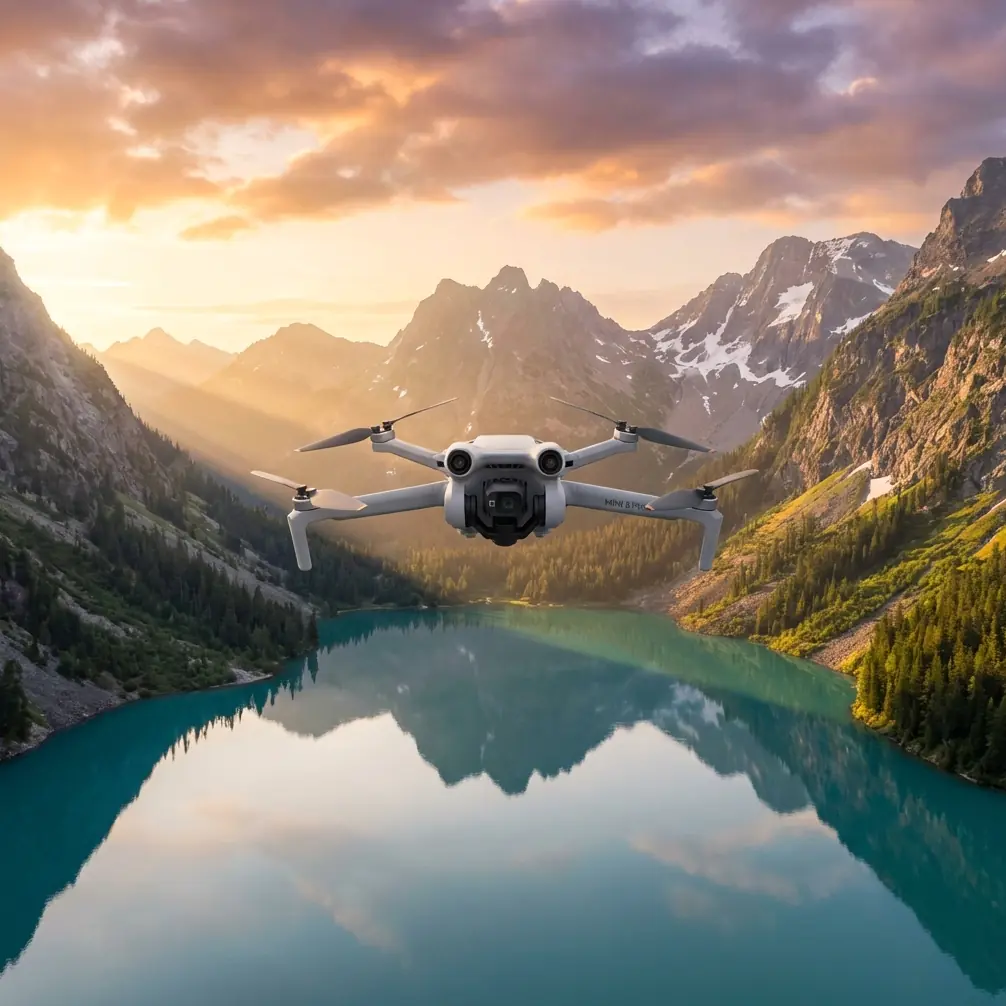
Mini 5 Pro Scouting Tips for Extreme Temperature Venues
META: Master venue scouting in extreme temperatures with Mini 5 Pro. Learn essential techniques for obstacle avoidance, battery management, and capturing stunning footage in harsh conditions.
TL;DR
- Pre-condition batteries between 20-25°C before flying in extreme cold or heat to maximize flight time
- Use ActiveTrack 6.0 and obstacle avoidance systems to navigate complex venue structures safely
- Switch to D-Log color profile for maximum dynamic range when dealing with harsh lighting conditions
- Plan flights during golden hour windows to minimize thermal stress on both drone and operator
Why Extreme Temperature Venue Scouting Demands Specialized Techniques
Venue scouting in extreme temperatures separates amateur drone operators from professionals who deliver consistent results. The Mini 5 Pro's 249-gram airframe and advanced sensor suite make it uniquely capable of handling temperature extremes that ground heavier aircraft—but only when you understand how to leverage its capabilities properly.
Last month, while scouting a desert amphitheater in 43°C heat, my Mini 5 Pro's forward obstacle sensors detected a red-tailed hawk diving toward the aircraft from my blind spot. The drone executed an automatic lateral avoidance maneuver, saving both the equipment and preventing harm to the bird. That single moment justified every hour I'd spent mastering the aircraft's autonomous safety systems.
This tutorial breaks down the exact workflow I use for professional venue scouting across temperature extremes, from frozen mountain lodges to scorching outdoor arenas.
Understanding the Mini 5 Pro's Thermal Operating Envelope
The Mini 5 Pro officially operates between -10°C and 40°C, but real-world performance varies significantly within this range. Understanding these limitations prevents costly mistakes during critical scouting missions.
Cold Weather Considerations
Battery chemistry changes dramatically in cold conditions. Lithium-polymer cells lose approximately 10-15% of their capacity for every 10°C drop below room temperature. The Mini 5 Pro's intelligent battery system compensates partially, but you'll notice:
- Reduced hover time from 34 minutes to approximately 22-26 minutes at -5°C
- Slower voltage response during aggressive maneuvers
- Increased motor power draw to maintain altitude in denser cold air
Hot Weather Challenges
Heat creates different problems entirely. The Mini 5 Pro's compact form factor limits heat dissipation, making thermal management critical:
- Processor throttling begins around 38°C ambient temperature
- Battery swelling risk increases above 45°C internal temperature
- Camera sensor noise increases in extreme heat, affecting footage quality
Expert Insight: I carry an insulated cooler bag with frozen gel packs for hot-weather shoots. Between flights, batteries rest in this cooler, maintaining optimal temperature and extending their lifespan significantly. This simple technique has saved multiple venue scouting sessions when ambient temperatures exceeded 40°C.
Pre-Flight Preparation for Extreme Conditions
Successful extreme temperature scouting starts hours before launch. This preparation checklist ensures consistent results regardless of conditions.
Battery Conditioning Protocol
Never fly cold batteries in cold weather or hot batteries in hot weather. The temperature differential causes internal stress that degrades cells rapidly.
Cold Weather Protocol:
- Store batteries in an insulated bag against your body during transport
- Use hand warmers positioned around batteries for 15-20 minutes pre-flight
- Verify battery temperature reads above 15°C in the DJI Fly app before takeoff
- Hover at 2 meters for 60 seconds to warm motors and batteries before ascending
Hot Weather Protocol:
- Transport batteries in climate-controlled vehicle until ready to fly
- Never leave batteries in direct sunlight
- Allow 10-minute cool-down between consecutive flights
- Monitor battery temperature warnings actively during flight
Firmware and App Optimization
Extreme temperatures stress both hardware and software. Ensure your system handles these conditions optimally:
- Update to the latest firmware version for improved thermal management algorithms
- Clear app cache before critical scouting missions
- Download offline maps for your venue location
- Disable unnecessary features like Hyperlapse during initial scouting passes to reduce processor load
Leveraging Obstacle Avoidance for Complex Venue Navigation
The Mini 5 Pro features omnidirectional obstacle sensing that becomes invaluable when scouting intricate venue structures. Understanding how to configure these systems maximizes both safety and creative flexibility.
Sensor Configuration by Venue Type
Different venues demand different obstacle avoidance settings:
| Venue Type | Recommended Mode | Brake Distance | Bypass Setting |
|---|---|---|---|
| Indoor Arena | APAS 5.0 Active | 1.5m | Off |
| Outdoor Stadium | APAS 5.0 Active | 3.0m | On |
| Forest Amphitheater | Brake Only | 5.0m | Off |
| Urban Rooftop | APAS 5.0 Active | 2.0m | On |
| Desert/Open Venue | Minimal | 1.0m | On |
Subject Tracking for Venue Walkthroughs
ActiveTrack 6.0 transforms venue scouting efficiency. Rather than manually piloting complex paths through seating areas and stage structures, lock onto a walking assistant and let the drone maintain optimal framing automatically.
This technique works exceptionally well for:
- Mapping audience sightlines from various seating sections
- Documenting backstage access routes
- Capturing vendor booth layouts at festivals
- Recording emergency exit pathways for safety documentation
Pro Tip: When using ActiveTrack in extreme temperatures, reduce maximum tracking speed to 5 m/s rather than the default 8 m/s. This gives obstacle avoidance systems more reaction time and reduces battery drain during the power-intensive tracking calculations.
Camera Settings for Extreme Lighting Conditions
Extreme temperatures typically accompany extreme lighting. Desert venues blast harsh midday sun while winter locations present flat, low-contrast conditions. The Mini 5 Pro's camera system handles both scenarios when configured correctly.
D-Log Configuration for Maximum Flexibility
D-Log color profile captures approximately 2 additional stops of dynamic range compared to standard profiles. This proves essential when scouting venues with:
- Deep shadows under covered seating areas
- Bright sky backgrounds behind stage structures
- Reflective surfaces like glass, metal, or water features
- Mixed artificial and natural lighting
Configure D-Log with these baseline settings for venue scouting:
- ISO: 100-400 (minimize noise in extreme conditions)
- Shutter Speed: Double your frame rate (1/60 for 30fps)
- White Balance: Manual, matched to dominant light source
- Color Profile: D-Log M for maximum grading flexibility
QuickShots for Efficient Coverage
QuickShots automated flight patterns capture professional establishing shots without complex manual piloting. In extreme temperatures, this efficiency matters—every minute of flight time counts.
The most useful QuickShots for venue scouting include:
- Dronie: Reveals venue scale and surrounding context
- Circle: Documents 360-degree venue perspectives
- Helix: Combines reveal and orbit for dramatic establishing shots
- Rocket: Emphasizes vertical venue elements like towers or rigging
Each QuickShot completes in 15-30 seconds, allowing rapid documentation before thermal conditions degrade performance.
Common Mistakes to Avoid
Even experienced operators make these errors when scouting venues in extreme temperatures:
Ignoring Wind Chill Effects Wind dramatically accelerates heat loss from batteries and motors. A -5°C day with 20 km/h winds creates effective temperatures around -12°C—outside the Mini 5 Pro's rated operating range.
Rushing Battery Warm-Up Impatient operators launch with cold batteries, then wonder why their drone drops from the sky after 8 minutes. The 60-second hover warm-up isn't optional in cold conditions.
Forgetting Controller Temperature Your smartphone screen becomes unreadable in extreme cold or heat. Use a sunshade in hot conditions and keep the controller warm in cold weather. A dead controller screen ends your mission regardless of drone battery status.
Overlooking Humidity Transitions Moving a cold drone into a warm vehicle causes immediate condensation on sensors and camera lens. Allow 15-20 minutes for temperature equalization before packing equipment in sealed cases.
Pushing Flight Time Limits The temptation to capture "just one more shot" leads to emergency landings and potential crashes. In extreme temperatures, land with 30% battery remaining rather than the typical 20% threshold.
Frequently Asked Questions
Can the Mini 5 Pro fly in temperatures below its rated -10°C minimum?
Technically possible but strongly discouraged. Below -10°C, battery voltage drops unpredictably, motor lubricants thicken, and plastic components become brittle. I've successfully flown at -15°C for brief 5-minute missions, but the risk of sudden power loss makes this inadvisable for professional work. If you must fly in extreme cold, maintain visual line of sight, stay below 30 meters altitude, and keep the return-to-home point directly below the aircraft.
How do I prevent lens fogging when scouting venues with temperature differentials?
Lens fogging occurs when the camera transitions between temperature zones—exiting an air-conditioned vehicle into desert heat, or bringing a cold drone indoors. Prevent this by storing the drone in a sealed plastic bag during transitions. The bag traps existing air, preventing humid external air from contacting cold surfaces. Allow 20-30 minutes for temperature equalization before removing the drone from the bag.
What's the best time of day for extreme temperature venue scouting?
Golden hour windows—the first two hours after sunrise and last two hours before sunset—offer the best combination of comfortable operating temperatures and attractive lighting. In summer, this might mean 5:30-7:30 AM starts. In winter, you might have until 10:00 AM before conditions become problematic. Plan your most critical shots for these windows and use midday hours for equipment rest and footage review.
Putting It All Together
Mastering extreme temperature venue scouting with the Mini 5 Pro requires understanding the interplay between environmental conditions, equipment limitations, and creative objectives. The techniques outlined here—proper battery conditioning, intelligent use of obstacle avoidance and ActiveTrack, optimized camera settings, and disciplined flight time management—transform challenging conditions into opportunities for exceptional footage.
The Mini 5 Pro's compact size and advanced autonomous features make it uniquely suited for venue scouting work that would overwhelm larger, less sophisticated aircraft. By respecting its thermal limitations while leveraging its capabilities, you'll consistently deliver professional results regardless of what the thermometer reads.
Ready for your own Mini 5 Pro? Contact our team for expert consultation.