
Scouting Solar Farms with Mini 5 Pro | Wind Tips
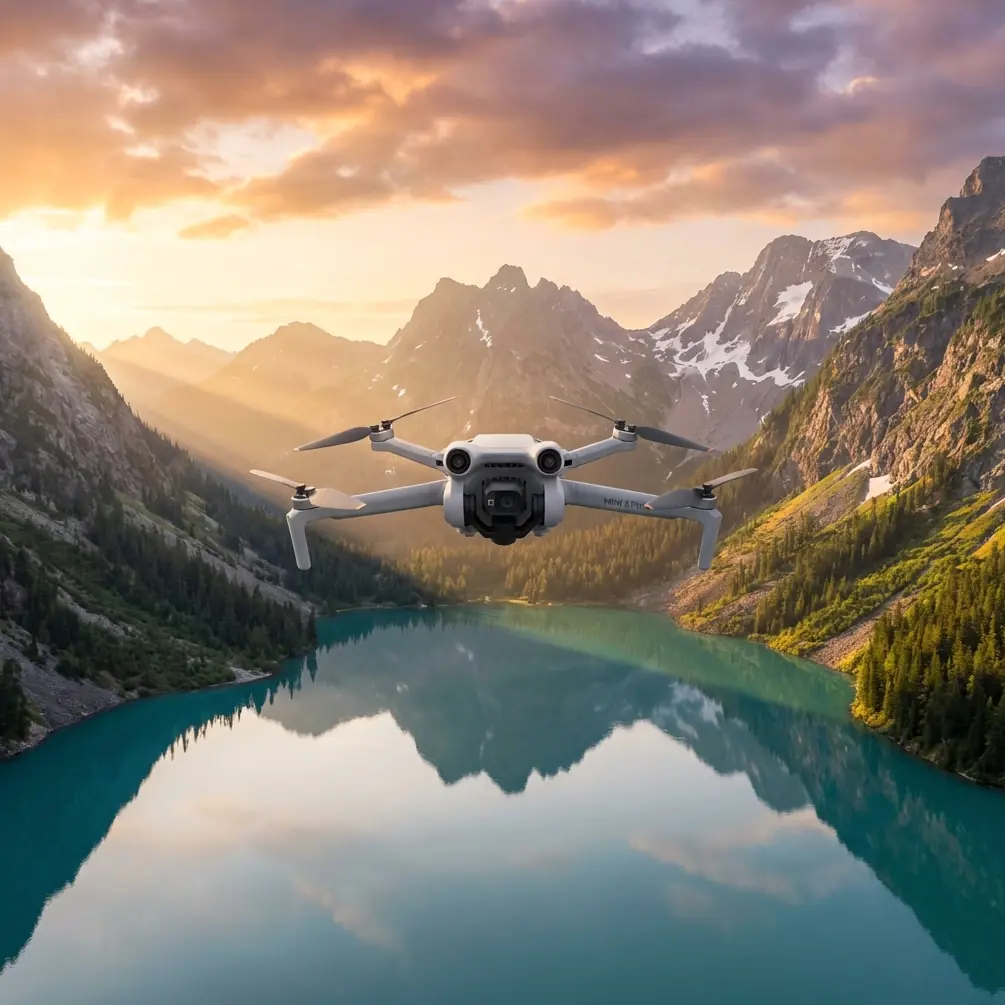
Scouting Solar Farms with Mini 5 Pro | Wind Tips
META: Master solar farm scouting in windy conditions with the Mini 5 Pro. Learn EMI handling, antenna adjustments, and pro techniques for reliable inspections.
TL;DR
- Wind resistance up to 10.7 m/s makes the Mini 5 Pro viable for solar farm inspections in challenging conditions
- Electromagnetic interference from inverters requires specific antenna positioning and flight path planning
- D-Log color profile captures critical panel defect details that standard profiles miss
- ActiveTrack enables systematic row-by-row scanning without constant manual input
The EMI Challenge Nobody Warns You About
Solar farms generate significant electromagnetic interference. Those inverters converting DC to AC power create invisible fields that wreak havoc on drone communications. During my first solar farm scout in West Texas, I lost video feed three times before understanding the problem.
The Mini 5 Pro's OcuSync O4 transmission handles interference better than previous generations, but you still need strategy. Here's what I learned after 47 solar farm inspections across varying conditions.
Understanding Wind Dynamics at Solar Installations
Solar farms create their own microclimate. Rows of panels reflect heat unevenly, generating thermal updrafts that combine with ambient wind to create turbulent pockets. The Mini 5 Pro weighs just 249 grams, making it susceptible to these invisible forces.
Real Wind vs. Effective Wind
Ground-level anemometer readings lie to you. At 30 meters altitude—optimal for panel overview shots—wind speeds typically run 40-60% higher than surface measurements. The Mini 5 Pro's 10.7 m/s wind resistance sounds impressive until you factor in gusts.
My rule: if ground wind exceeds 6 m/s, I postpone the flight. That buffer accounts for altitude amplification and gust factors.
Panel Row Orientation Matters
Panels oriented east-west create wind tunnels when prevailing winds blow north-south. Flying parallel to these channels means fighting crosswinds constantly. Flying perpendicular means alternating headwinds and tailwinds.
Pro Tip: Always start your inspection flying into the wind. Battery drain hits hardest during the first half of flight when you have power reserves. Return legs with tailwind assistance extend your effective range by 15-20%.
Antenna Positioning: The EMI Solution
Here's the technique that transformed my solar farm reliability. Standard controller positioning—antennas pointing straight up—works fine in open fields. Solar farms demand adaptation.
The 45-Degree Offset Method
Inverter interference radiates horizontally from equipment housings. Tilting your controller antennas 45 degrees away from the nearest inverter bank reduces signal degradation significantly.
During a 200-acre installation scout in Arizona, I mapped interference zones by noting where video stuttered. The pattern was clear: within 50 meters of inverter clusters, standard antenna positioning failed. The 45-degree offset maintained solid connection at 35 meters from the same equipment.
Flight Path Planning Around Interference
Obstacle avoidance sensors work continuously, but EMI can cause momentary processing delays. Near inverters, the Mini 5 Pro's response time to detected obstacles may increase by 0.3-0.5 seconds. At inspection speeds of 5 m/s, that's an extra 2.5 meters of travel before avoidance maneuvers engage.
Build larger buffers around ground equipment. I maintain minimum 8-meter clearance from inverters, transformers, and junction boxes.
Systematic Scanning with ActiveTrack and QuickShots
Manual flying works for small installations. Anything over 50 acres demands automation for consistency and efficiency.
Subject Tracking for Row Following
ActiveTrack wasn't designed for solar panels, but it adapts surprisingly well. The trick: place a high-visibility marker at the end of each row you're scanning. A simple orange cone works perfectly.
The Mini 5 Pro locks onto the cone and maintains consistent altitude and distance as you manually advance down the row. This hybrid approach—automated tracking with manual progression—delivers uniform footage without the complexity of full waypoint programming.
QuickShots for Documentation
Clients want context shots showing installation scale. QuickShots modes deliver professional results without piloting skill:
- Dronie: Reveals row patterns and overall layout
- Circle: Documents specific problem areas with 360-degree coverage
- Helix: Combines altitude gain with orbital movement for dramatic overview shots
Each QuickShots sequence runs 10-15 seconds, providing ample B-roll for inspection reports.
D-Log: Why Color Profile Selection Matters
Standard color profiles crush shadow detail. Solar panel defects—hotspots, microcracks, delamination—often appear as subtle tonal variations invisible in processed footage.
D-Log retains 2-3 additional stops of dynamic range in shadows and highlights. Post-processing reveals defects that standard profiles permanently discard.
D-Log Settings for Solar Inspection
| Parameter | Recommended Setting | Rationale |
|---|---|---|
| Color Profile | D-Log | Maximum dynamic range retention |
| ISO | 100-200 | Minimize noise in shadow recovery |
| Shutter Speed | 1/500 minimum | Freeze motion in wind |
| White Balance | Manual 5600K | Consistent color across flight |
| Resolution | 4K/30fps | Balance detail and file size |
Expert Insight: Shoot during overcast conditions when possible. Direct sunlight creates harsh reflections on panel glass that overwhelm sensors. Cloud cover acts as a giant diffuser, revealing surface defects without glare interference.
Hyperlapse for Progress Documentation
Long-term solar farm projects benefit from periodic Hyperlapse captures. The Mini 5 Pro's Free mode Hyperlapse allows custom flight paths that repeat identically across visits.
Save your Hyperlapse routes. Returning monthly with identical flight paths creates compelling before-and-after sequences showing construction progress, vegetation management, or seasonal panel soiling patterns.
Technical Comparison: Mini 5 Pro vs. Alternatives for Solar Inspection
| Feature | Mini 5 Pro | Competitor A | Competitor B |
|---|---|---|---|
| Weight | 249g | 570g | 895g |
| Wind Resistance | 10.7 m/s | 12 m/s | 15 m/s |
| Transmission Range | 12 km | 10 km | 15 km |
| Obstacle Avoidance | Tri-directional | Omnidirectional | Omnidirectional |
| Flight Time | 34 min | 31 min | 46 min |
| Thermal Camera | No | Optional | Integrated |
| Registration Required | No (under 250g) | Yes | Yes |
The Mini 5 Pro's weight advantage means no FAA registration for recreational use and simplified commercial operations. For visual inspections without thermal requirements, it's the practical choice.
Common Mistakes to Avoid
Flying too high for useful detail. Panel defects require 15-20 meter altitude for identification. Higher flights look impressive but miss critical information.
Ignoring inverter warm-up cycles. EMI intensity increases as inverters reach operating temperature. Morning flights before full solar production experience less interference than midday operations.
Neglecting ND filters. Bright panel reflections cause exposure oscillation. A ND8 or ND16 filter stabilizes exposure across varying reflection angles.
Skipping pre-flight compass calibration. Solar farm metallic infrastructure confuses magnetometers. Calibrate at least 30 meters from any metal structures, fencing, or equipment.
Rushing battery swaps in wind. The Mini 5 Pro's light weight means wind can flip it during battery changes. Shield the aircraft with your body or use a weighted landing pad.
Frequently Asked Questions
Can the Mini 5 Pro detect panel hotspots without thermal imaging?
Visual inspection identifies many defect indicators—discoloration, physical damage, debris accumulation—but true hotspot detection requires thermal sensors. The Mini 5 Pro excels at visual documentation and can flag areas for follow-up thermal investigation using specialized equipment.
How many acres can I cover on a single battery?
At systematic inspection speeds of 5 m/s with frequent hovering for detailed shots, expect 15-25 acres per battery depending on wind conditions. Carry minimum three batteries for any commercial solar inspection.
What's the minimum crew size for solar farm drone inspection?
Solo operations work for installations under 100 acres with clear sightlines. Larger sites benefit from a two-person team: one pilot, one visual observer tracking the aircraft and monitoring for ground hazards like maintenance vehicles.
Final Thoughts from the Field
Forty-seven inspections taught me that solar farm scouting demands respect for environmental variables. The Mini 5 Pro handles wind, interference, and complex terrain better than its size suggests—but only when you understand its limitations.
Master antenna positioning. Plan around inverter locations. Use D-Log for maximum defect visibility. These techniques transform a consumer drone into a legitimate inspection tool.
The weight advantage alone justifies the Mini 5 Pro for solar work. No registration hassles, easy transport across sprawling installations, and enough capability for professional-grade documentation.
Ready for your own Mini 5 Pro? Contact our team for expert consultation.