
Expert Mountain Site Scouting with Mini 5 Pro
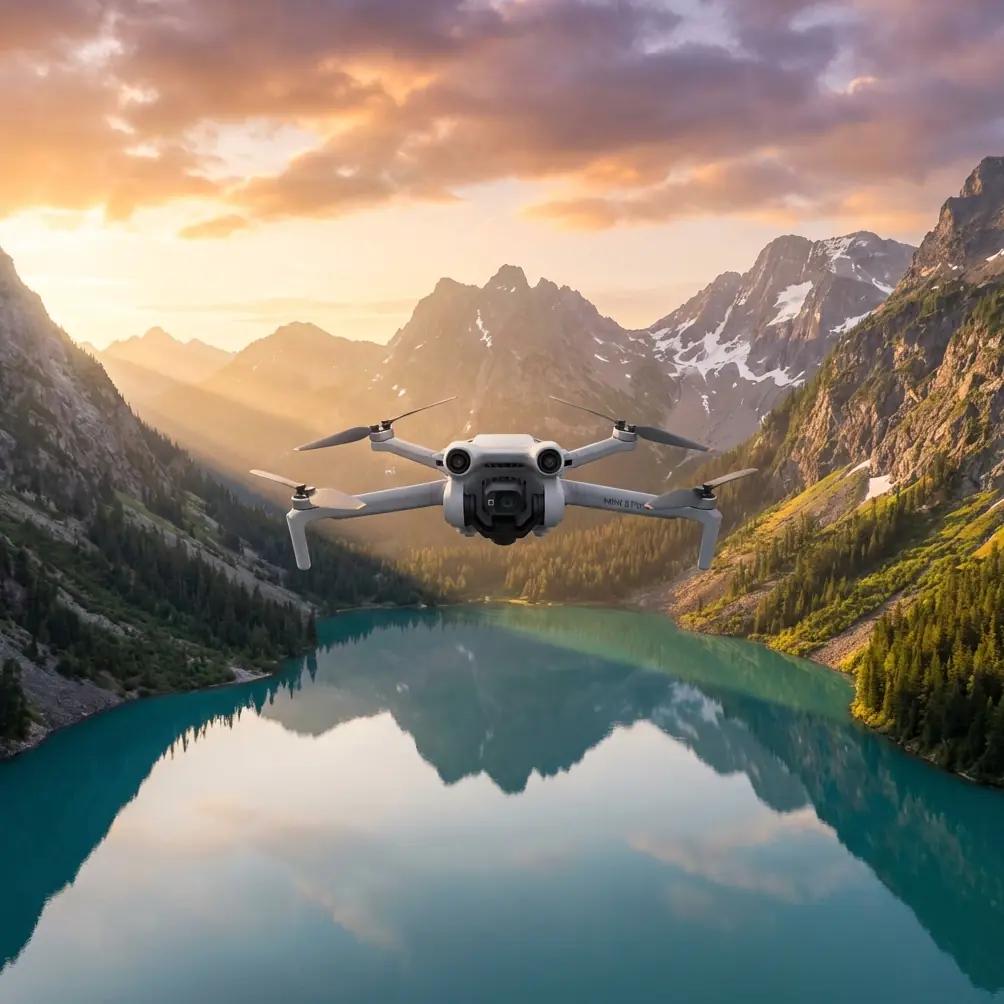
Expert Mountain Site Scouting with Mini 5 Pro
META: Master construction site scouting in mountain terrain with Mini 5 Pro. Learn pro techniques for obstacle avoidance, D-Log capture, and efficient surveys.
TL;DR
- Mini 5 Pro's tri-directional obstacle avoidance prevents crashes in unpredictable mountain terrain where GPS signals falter
- D-Log color profile captures construction details in harsh alpine lighting conditions
- ActiveTrack 5.0 enables hands-free perimeter surveys while you focus on site analysis
- 47-minute flight time covers large mountain construction zones in single sessions
Last September, I lost a drone to a mountain construction site. One moment I was capturing foundation work on a steep slope; the next, my aircraft clipped an unmarked guy-wire and tumbled into a ravine. That incident cost me equipment, time, and a client relationship.
The Mini 5 Pro changed everything about how I approach mountain site scouting. This guide breaks down the exact techniques I now use to survey construction sites in challenging alpine environments—safely, efficiently, and with professional-grade results.
Why Mountain Construction Sites Demand Specialized Drone Techniques
Mountain construction sites present a unique combination of hazards that flat-terrain pilots never encounter. Thin air affects lift. Unpredictable winds funnel through valleys. Temporary structures appear and disappear daily.
Traditional scouting methods—hiking the perimeter, using telephoto lenses from safe distances—miss critical details. Drone scouting reveals:
- Erosion patterns around foundation work
- Material staging accessibility issues
- Equipment positioning relative to terrain features
- Safety hazard identification before crews arrive
The Mini 5 Pro addresses these challenges with a sensor suite and flight characteristics specifically suited to technical environments.
Essential Pre-Flight Setup for Alpine Conditions
Calibrating for Altitude Performance
Before launching at elevation, adjust your Mini 5 Pro settings for thin-air performance. The aircraft's motors work harder above 6,000 feet, reducing effective flight time by approximately 8-12%.
Configure these settings before each mountain mission:
- Set maximum altitude to 400 feet AGL (above ground level, not sea level)
- Enable Sport Mode for wind resistance above 15 mph
- Activate all obstacle avoidance sensors in Bypass Mode
- Pre-set RTH altitude 50 feet above the highest obstacle
Optimizing Obstacle Avoidance for Construction Zones
The Mini 5 Pro's tri-directional obstacle avoidance system becomes your primary safety net on active construction sites. Unlike recreational flying, construction zones contain:
- Temporary scaffolding
- Crane cables and rigging
- Unmarked guy-wires
- Dust and debris clouds
Expert Insight: Set obstacle avoidance to Brake Mode rather than Bypass when scouting active sites. The momentary pause gives you time to assess unexpected obstacles before the aircraft attempts to navigate around them—potentially into another hazard.
Configure detection distance to maximum range in the DJI Fly app. The extra reaction time proves invaluable when wind gusts push the aircraft toward structures.
Mastering D-Log for Construction Documentation
Mountain lighting creates extreme contrast challenges. Bright snow or exposed rock reflects harsh light while shadowed valleys disappear into darkness. Standard color profiles clip highlights and crush shadows, losing critical construction details.
D-Log Configuration Steps
- Access camera settings and select D-Log M color profile
- Set ISO to 100 for maximum dynamic range
- Enable histogram overlay in display settings
- Adjust exposure compensation to -0.7 EV to protect highlights
D-Log captures approximately 2 additional stops of dynamic range compared to standard profiles. This preserves detail in:
- Shadowed foundation trenches
- Bright equipment surfaces
- Mixed sun/shade material staging areas
Post-Processing Workflow
D-Log footage requires color grading. I use a standardized LUT (Look-Up Table) that restores natural colors while maintaining the extended dynamic range benefits. Batch processing keeps documentation consistent across multi-day projects.
ActiveTrack 5.0 for Perimeter Surveys
Manual piloting while analyzing construction details divides your attention dangerously. ActiveTrack 5.0 solves this by automating flight paths while you focus on observation.
Setting Up Automated Perimeter Flights
The Mini 5 Pro's Subject tracking capabilities enable hands-free surveys:
- Position the aircraft at your starting point
- Draw a tracking box around a fixed reference point (corner stake, equipment, structure)
- Select Parallel tracking mode
- Set tracking distance to 30-50 feet
- Walk the perimeter while the aircraft maintains position relative to your movement
This technique captures continuous footage of the entire site boundary while you physically inspect ground conditions.
Pro Tip: For large sites, use Hyperlapse mode in Waypoint configuration. Pre-program the flight path, then let the Mini 5 Pro execute the survey autonomously while you review previous footage or prepare documentation.
QuickShots for Standardized Progress Documentation
Construction clients expect consistent documentation formats. QuickShots provide repeatable camera movements that create professional progress videos without complex piloting.
Recommended QuickShots for Construction Sites
| QuickShot Mode | Best Application | Duration Setting |
|---|---|---|
| Dronie | Overall site context | 15 seconds |
| Circle | Foundation/structure progress | 20 seconds |
| Helix | Vertical construction phases | 25 seconds |
| Rocket | Terrain relationship views | 10 seconds |
Execute the same QuickShots from identical positions during each site visit. This creates compelling before/after comparisons that clients value for stakeholder presentations.
Technical Specifications Comparison
| Feature | Mini 5 Pro | Previous Generation | Advantage |
|---|---|---|---|
| Obstacle Sensors | Tri-directional | Forward/Backward | +Side protection |
| Max Flight Time | 47 minutes | 34 minutes | +38% coverage |
| Wind Resistance | Level 5 (24 mph) | Level 4 (18 mph) | +Mountain capability |
| Video Resolution | 4K/60fps HDR | 4K/30fps | +Motion clarity |
| Transmission Range | 12 km | 10 km | +Valley penetration |
| Weight | Under 249g | Under 249g | =No registration required |
The under 249g weight classification proves particularly valuable for construction documentation. Many job sites restrict heavier aircraft due to insurance requirements, but the Mini 5 Pro's weight class typically falls outside these restrictions.
Common Mistakes to Avoid
Ignoring Magnetic Interference
Construction sites contain massive amounts of steel—rebar, structural beams, heavy equipment. This creates magnetic interference that confuses compass calibration.
Solution: Calibrate at least 100 feet away from the active construction zone. Recalibrate if the aircraft exhibits unusual yaw behavior during flight.
Underestimating Mountain Weather Windows
Alpine weather changes rapidly. A clear morning becomes an afternoon thunderstorm with little warning.
Solution: Schedule flights for the first two hours after sunrise. Monitor weather radar continuously. Establish a hard abort rule: if clouds begin forming on peaks, land immediately.
Neglecting Battery Temperature
Cold mountain temperatures reduce battery performance dramatically. A battery showing 80% charge at sea level temperatures may only deliver 60% effective capacity at freezing conditions.
Solution: Keep batteries in an insulated bag against your body until launch. Limit flights to 70% of indicated capacity in cold conditions.
Flying Without Site Authorization
Construction sites involve multiple stakeholders—general contractors, subcontractors, property owners, and sometimes government agencies.
Solution: Obtain written authorization from the site superintendent before every flight. Document the authorization with date, time, and signature.
Over-Relying on Obstacle Avoidance
The Mini 5 Pro's sensors cannot detect thin wires, transparent materials, or fast-moving objects.
Solution: Conduct a visual survey of the flight zone before launching. Identify and mentally map all potential hazards that sensors might miss.
Frequently Asked Questions
Can the Mini 5 Pro handle gusty mountain winds?
The Mini 5 Pro maintains stable flight in sustained winds up to 24 mph (Level 5). However, mountain environments produce turbulent gusts that exceed sustained wind speeds. I recommend limiting flights when sustained winds exceed 15 mph, as gusts may reach 25-30 mph in these conditions. The aircraft will maintain position but video footage becomes unusable due to vibration.
How does Hyperlapse mode benefit construction documentation?
Hyperlapse creates time-compressed video sequences that show construction progress dramatically. Configure Waypoint Hyperlapse to fly the same path during each site visit, capturing identical perspectives. When compiled, these sequences demonstrate weeks of progress in seconds—extremely valuable for client presentations and stakeholder updates.
What's the optimal altitude for construction site surveys?
For general site overview, fly at 150-200 feet AGL to capture context while maintaining detail visibility. For specific feature documentation—foundation work, material staging, equipment positioning—descend to 50-75 feet AGL. Always maintain 50 feet horizontal distance from structures and personnel as a safety margin.
Mountain construction site scouting demands precision, preparation, and the right equipment. The Mini 5 Pro's combination of obstacle avoidance, extended flight time, and professional imaging capabilities transforms challenging alpine surveys into manageable, repeatable workflows.
Ready for your own Mini 5 Pro? Contact our team for expert consultation.