
How I’d Inspect Windy Vineyards With a Mini 5 Pro
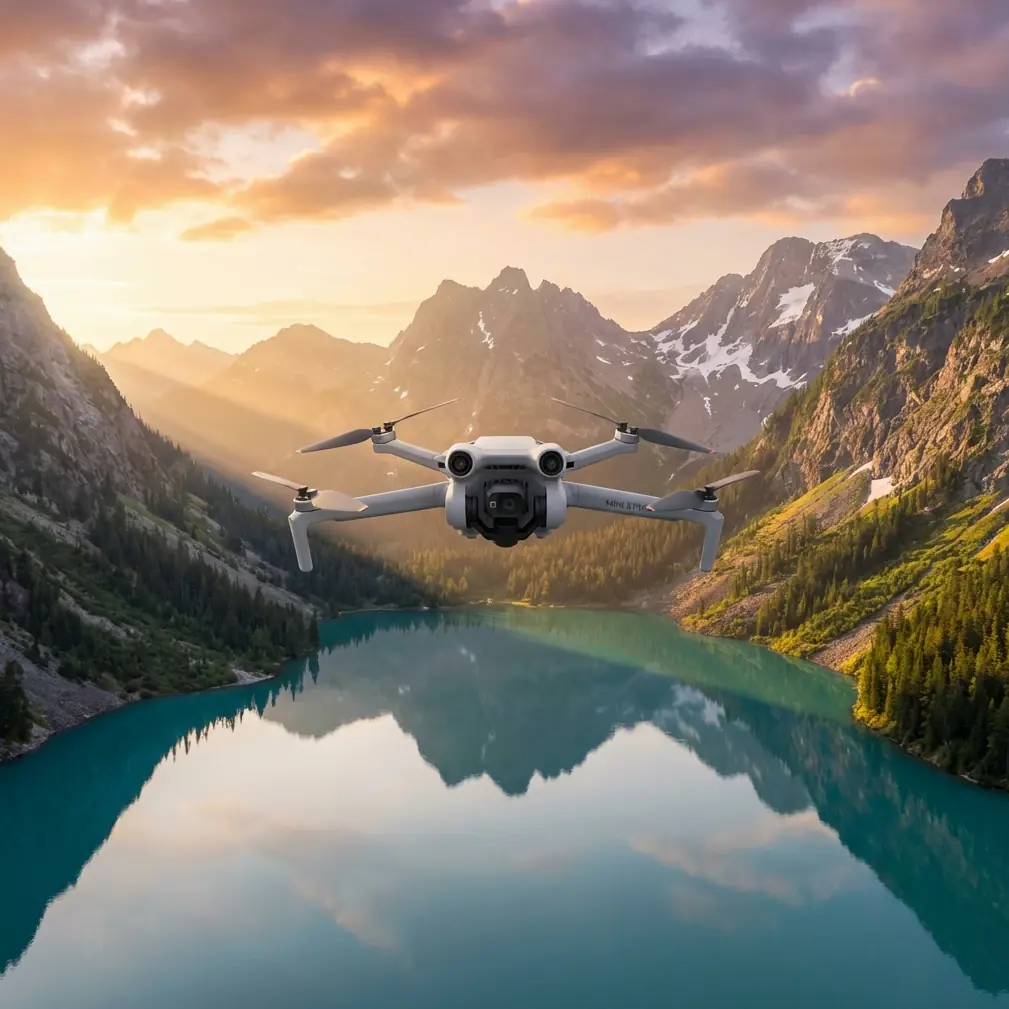
How I’d Inspect Windy Vineyards With a Mini 5 Pro
META: A practical Mini 5 Pro vineyard inspection tutorial for windy conditions, covering flight setup, obstacle avoidance, ActiveTrack, D-Log, and how to handle changing weather mid-flight.
Vineyard inspection looks easy from the ground until you try to do it properly from the air. Rows appear orderly from a distance, but once a drone is in motion, the job becomes less about pretty passes and more about control, timing, and decision-making. Wind complicates everything. So does changing light. So do trellis wires, uneven terrain, isolated trees, irrigation hardware, and the fact that a useful vineyard flight usually needs to reveal subtle patterns, not just produce cinematic footage.
If I were using a Mini 5 Pro to inspect vineyards in windy conditions, I would not treat it like a casual sunrise flyer. I would fly it like a compact field instrument.
This matters because vineyards are one of the places where a sub-250 g class drone can either be brilliantly efficient or deeply frustrating. The difference comes down to how you use the aircraft’s toolset. Features people often file under “smart” or “creative” modes—obstacle avoidance, ActiveTrack, QuickShots, Hyperlapse, and D-Log—become genuinely practical when you adapt them to agricultural inspection rather than social media shooting.
Here is the method I’d use.
Start with the inspection goal, not the takeoff point
Before batteries go in, I want one answer: what exactly am I trying to confirm?
In vineyards, that usually falls into one of four buckets:
- Uneven canopy vigor between blocks
- Gaps, broken rows, or missing vines
- Drainage or irrigation anomalies after weather changes
- Edge stress caused by exposure, wind, or vehicle traffic
That first decision affects everything else. If I am checking for row continuity and visible damage, I want steady lateral passes and repeatable altitude. If I am comparing canopy tone or searching for subtle stress signatures, I care more about consistent light angle, conservative exposure, and footage that holds detail in highlights and shadows.
This is where D-Log matters operationally. People often hear “D-Log” and think color grading. In a vineyard inspection workflow, the real value is headroom. If clouds move in and out during a flight, a flatter profile preserves more detail across bright sky, reflective leaves, dusty access roads, and dark under-canopy areas. That makes post-flight review more reliable, especially when you are trying to distinguish genuine plant stress from exposure shifts.
My windy-day preflight is stricter than my calm-day preflight
A vineyard creates deceptive wind behavior. On a weather app, the wind may look manageable. In the rows, it is often not. Air gets funneled through corridors, rolls over nearby slopes, and changes character at the edge of the property where trees or structures interrupt the flow.
With a Mini 5 Pro, I would preflight with three priorities:
- Confirm the wind direction relative to the row orientation
- Identify the roughest obstacle zones before launch
- Plan a short first leg into the wind, not with it
Flying into the wind first sounds minor, but it changes the risk profile of the whole mission. If conditions worsen, I would rather have the return leg helped by the wind than fight home on a low battery over the far block.
Obstacle avoidance is also far more valuable in vineyards than many pilots admit. Trellis systems are visually repetitive. That can create moments where a pilot’s depth perception slips, especially in crosswind corrections. Add a few corner posts, netting sections, utility lines near access roads, or a shelter belt along one edge, and the margin narrows quickly. In that environment, obstacle sensing is not there to replace pilot judgment. It is there to catch small miscalculations before they become expensive ones.
The operational significance is simple: in vineyards, collisions are rarely dramatic. They are usually low-speed, side-angle contacts with infrastructure. Avoiding those matters because inspection flights depend on consistency. A small bump can end the mission or corrupt your comparison footage.
My first pass is never the “real” pass
I use the opening minute as a live conditions check.
I climb to a conservative altitude, watch how the Mini 5 Pro holds position, and look for three things:
- Does it yaw or drift more than expected over the row centerline?
- Are the leaves and canes moving uniformly, or are there gust pockets?
- Is the exposure changing fast enough that I need to adjust the plan?
This is also where weather tends to reveal its mood. A vineyard can go from stable morning air to intermittent gusts surprisingly quickly, especially if cloud cover shifts and the temperature rises. If the weather changed mid-flight—as it often does—I would not keep forcing the original route just because the battery is already in the air.
I would shorten the pattern, raise altitude slightly in the gustiest sections, and prioritize the most decision-critical rows first.
That adjustment matters more than people think. Inspection is not an artistic mission where you can always come back later for the same look. A change in wind can alter leaf angle, branch movement, and even the apparent texture of the canopy in footage. If you continue flying the whole property in inconsistent conditions, your own data becomes harder to compare. Better to secure a clean, usable record of the blocks that matter most.
Fly the rows in a way that matches what you need to see
For vineyard work, I split flights into two categories: structural inspection and pattern inspection.
Structural inspection
This is the lower, slower pass where I am looking for broken posts, missing sections, collapsed wire, edge damage, or obvious plant gaps.
Here the Mini 5 Pro’s obstacle avoidance earns its keep. Low-altitude work along vineyard edges creates the highest collision risk because that is where trees, fencing, parked equipment, and utility obstacles tend to live. A drone with reliable sensing gives you a buffer while you stay focused on framing and line discipline.
If I need to follow a vineyard utility vehicle or worker along a service lane to document a specific issue, ActiveTrack becomes useful in a very practical way. Not as a gimmick. As a way to reduce stick workload while maintaining smooth relative framing. In a windy environment, that reduced workload is significant. It lets the pilot spend more attention on obstacle proximity and gust response instead of manually chasing the subject every second.
That is the key operational benefit of subject tracking in inspection: it frees mental bandwidth.
Pattern inspection
This is where I step back, gain altitude, and look for consistency across rows.
At this stage, I am less interested in individual vines and more interested in anomalies that repeat or break pattern. One section may be lighter in tone. Another may show uneven density. A drainage issue might reveal itself as a subtle shape that only appears when you stop thinking plant-by-plant and start reading the block as a system.
For this job, straight, repeatable passes matter more than speed. I would keep movement disciplined and use D-Log if the light is variable. If wind picks up halfway through, I would avoid aggressive directional changes and let the aircraft settle before each new leg. The footage becomes far easier to review later.
Use “creative” modes only when they improve evidence
QuickShots and Hyperlapse are often dismissed in agricultural work, but that is too broad a judgment.
QuickShots are not my first choice for inspection. They are automated and efficient, but vineyards usually reward deliberate coverage over flashy movement. That said, a short automated reveal around a problem zone can be useful when you need context for someone reviewing the footage later. A simple pullback showing the issue in relation to adjacent rows, road access, and wind exposure can save a lot of explanation.
Hyperlapse is more interesting than most pilots realize. Not for marketing footage, but for showing environmental movement over time. If wind is shifting across the property or cloud shadow is moving over certain blocks, a controlled Hyperlapse sequence can help document how conditions changed during the inspection window. That context is valuable when someone later asks why one block looked different from another twenty minutes later.
The rule is straightforward: if the mode improves interpretation, use it. If it only makes the flight look clever, skip it.
What I do when weather changes mid-flight
This is the part many tutorials avoid, even though it is where real flying lives.
Let’s say I launched in steady conditions, started my second block, and then the weather turned. Not a storm. Just enough of a shift that I can feel the aircraft working harder and see the vines responding unevenly.
My sequence would be:
- Stop treating the mission as a full-property run
- Reassess battery against the new wind load
- Keep the nose stable and avoid abrupt low-altitude lateral moves
- Prioritize upwind or farthest blocks immediately
- Return with margin instead of trying to “finish one more pass”
In that moment, the Mini 5 Pro’s obstacle avoidance and stabilized tracking behavior become less about convenience and more about resilience. Gusts tend to push a compact drone off the neat path you imagined on the ground. The system’s ability to help maintain safe separation from obstacles and support controlled framing reduces the chance of an error exactly when pilot workload spikes.
Operationally, this is why a capable small drone can still be the right tool for vineyards. You are not always choosing between “toy” and “enterprise.” Sometimes you are choosing between a larger aircraft that is cumbersome to deploy for frequent checks and a highly portable drone you will actually launch often enough to catch change early.
Frequency matters in agriculture. A drone that gets used every week can produce more value than a more elaborate system that stays in the case.
My preferred capture mix for a real vineyard review
If I wanted a usable package from one field session, I would bring back three kinds of footage:
- High, slow overview passes of each block
- Lower oblique passes along selected rows
- One or two contextual clips showing terrain, access lanes, and exposure
That combination answers the most common post-flight questions. Where is the issue? How extensive is it? What surrounds it? Is it isolated or repeating?
I would also keep my flight style intentionally boring. That is usually the right answer in inspection work. Smooth turns. Stable altitude. No dramatic banking. No trying to salvage a gusty approach with aggressive input. A vineyard is full of near-obstacles and visual repetition. Calm stick discipline always wins.
If I were sharing findings with a grower or manager, I would annotate the footage by block and wind condition. Even a note as simple as “north edge gustier after cloud break” can prevent misinterpretation later. If you want a practical workflow template for that handoff, I’d point you to message us here and outline a field-ready review format.
Why the Mini 5 Pro makes sense for this specific job
For windy vineyard inspection, the attraction of a Mini 5 Pro is not that it promises perfect performance in every condition. No serious pilot expects that from a compact drone. The attraction is that it combines low deployment friction with a feature set that directly supports the real problems this mission creates.
Obstacle avoidance matters because vineyards contain repetitive, easy-to-misjudge obstacles at exactly the altitudes inspection flights use.
ActiveTrack matters because following a worker, vehicle, or edge boundary while managing gusts is easier when the drone can assist with subject lock and keep movement consistent.
D-Log matters because agricultural interpretation suffers when shifting sun and shadow crush detail.
QuickShots and Hyperlapse matter only selectively, but when used with intent, they help document context and environmental change rather than simply decorate the flight.
That last point is worth emphasizing. A good vineyard drone flight is not about proving what the aircraft can do. It is about reducing uncertainty on the ground. If the footage helps you spot row damage sooner, understand a wind-exposed edge better, or compare one block to another with more confidence, the flight has done its job.
And if the weather changes while you are airborne, that does not invalidate the mission. It just means the pilot needs to shift from collection mode to decision mode. That is where experience shows. Not in perfect conditions, but in the calm choice to shorten the route, protect the return, and still come back with footage that answers the right questions.
That is how I would use a Mini 5 Pro in a windy vineyard: not as a flying camera first, but as a compact inspection platform that happens to shoot very useful video.
Ready for your own Mini 5 Pro? Contact our team for expert consultation.