
Mini 5 Pro for Dusty Construction Site Inspections
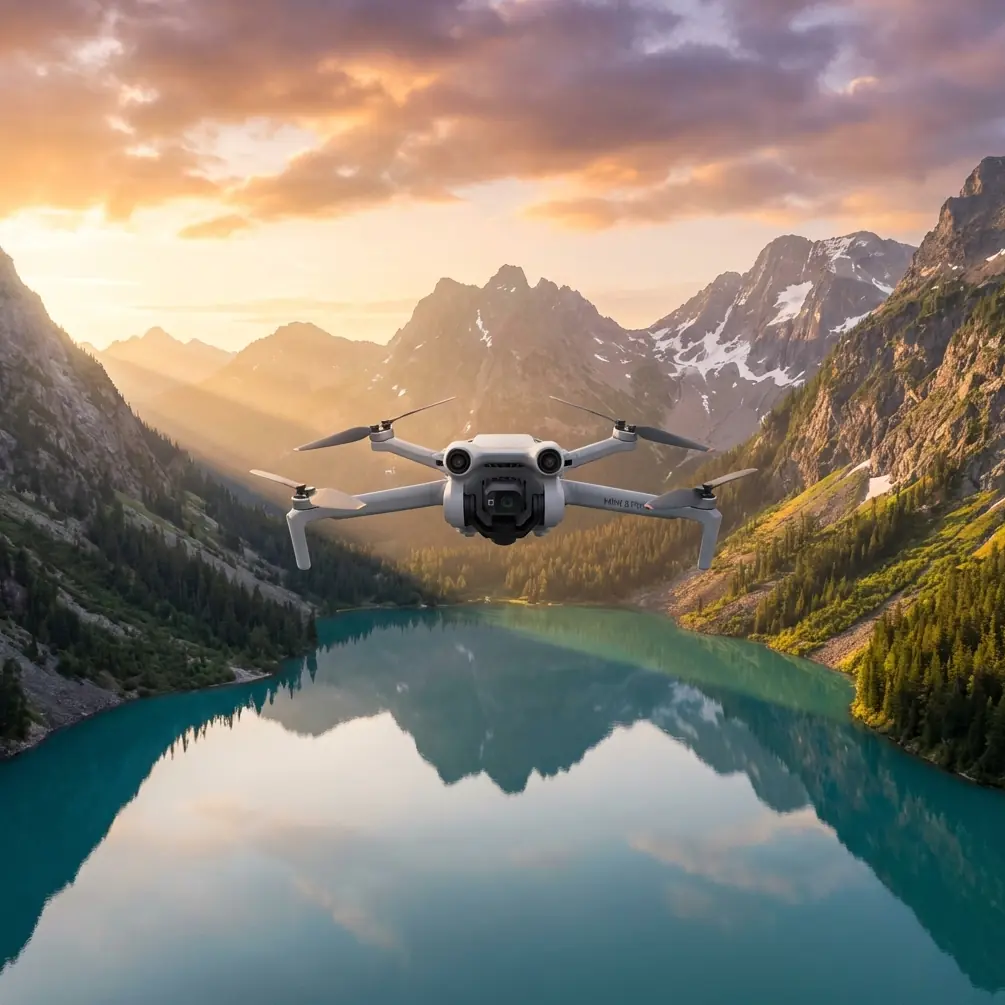
Mini 5 Pro for Dusty Construction Site Inspections: What Actually Matters in the Field
META: A practical expert guide to using the Mini 5 Pro for dusty construction site inspections, with real workflow advice on obstacle avoidance, ActiveTrack, D-Log, Hyperlapse, and safer data capture.
Construction sites punish small drones in ways spec sheets rarely explain.
Dust hangs in the air. Rebar forests confuse sensors. Wind curls around half-finished structures and pushes lightweight aircraft off line just as you’re trying to document a crack, roof edge, scaffold tie, or material staging zone. If your job is to inspect a dusty site with a compact UAV, the question is not whether the drone can fly. Most can. The question is whether it can keep producing usable imagery, predictable flight behavior, and repeatable documentation when the environment gets messy.
That is where the Mini 5 Pro deserves attention.
There is no fresh release bulletin to anchor this discussion, so the smarter approach is to evaluate the Mini 5 Pro through the lens that matters to crews on active projects: operational usefulness. Not lab claims. Not marketing shorthand. Field value. For a construction inspection workflow, the most relevant pieces are obstacle avoidance, subject tracking, QuickShots, Hyperlapse, D-Log, and ActiveTrack. Those are not lifestyle features here. Used properly, they solve specific site problems.
I approach this as a photographer first, but on dusty jobsites the camera is only half the story. The better aircraft is the one that helps you come home with clean evidence, not just dramatic footage.
The real problem on dusty sites
Construction inspection often looks straightforward from the outside. Fly up, take a few photos, identify issues, and land. In practice, it is more demanding.
Dust reduces contrast and can make visual positioning less dependable near the ground. Steel members, cranes, scaffold, temporary fencing, and unfinished facades create a cluttered environment where a compact drone can lose elegant flight lines. Bright reflective surfaces and deep shadows within the same scene push camera systems hard. And because the site changes daily, yesterday’s flight path may be unsafe today.
This matters because inspection is rarely about one beautiful image. It is about collecting evidence that stands up later when a superintendent, engineer, insurer, or owner asks a pointed question. Was the membrane fully installed on that date? Were edge protections in place? How close was equipment to a trench boundary? Did debris accumulation worsen between site visits?
To answer those questions well, you need consistency.
The Mini 5 Pro makes the strongest case for itself when consistency is the goal.
Why obstacle avoidance matters more here than on recreational flights
On a construction site, obstacle avoidance is not a convenience feature. It is a margin-preserving tool.
Small drones are often chosen for site work because they are easier to deploy in tight urban or partially enclosed environments. But that advantage creates a trap: crews may be tempted to fly closer to structures, under overhangs, or along narrow building lines because the aircraft feels agile. That is exactly when reliable obstacle sensing starts to matter.
Compared with stripped-down compact drones that rely mainly on pilot skill and basic stabilization, a Mini 5 Pro-style platform with mature obstacle avoidance provides a very different operating envelope. You are not invincible, and no professional should fly as if sensors guarantee safety. Still, the difference is practical. When dust, glare, and site clutter make visual judgment harder, obstacle awareness gives the pilot more time to correct, back out, and preserve the aircraft before a small error becomes an incident.
That matters operationally in two ways.
First, it reduces downtime. A drone out of service mid-project means delayed reporting, disrupted site documentation, and often a second mobilization. Second, it protects data continuity. If you fly the same project weekly, a stable aircraft with dependable protective systems is worth far more than a cheaper platform that turns every close pass into a gamble.
On dusty sites especially, the best comparison is not against high-end enterprise rigs. It is against other small consumer-adjacent drones that are portable but less forgiving around complex structures. That is where the Mini 5 Pro class typically excels: it brings more situational intelligence without forcing the operator into a larger, slower deployment.
ActiveTrack and subject tracking are more useful than most inspectors realize
Many people hear “ActiveTrack” or “subject tracking” and think of action sports. That misses the point for site work.
Tracking tools become valuable when the subject is not a person running through a park, but a moving process you need to document consistently. Think of a concrete pump truck repositioning, a crane lift corridor, an excavator working along a spoil line, or a facade installation crew moving section by section. Manually flying while trying to keep framing consistent is possible, but it divides attention. On a site packed with hazards, divided attention is exactly what you do not want.
This is where the Mini 5 Pro can separate itself from smaller competitors that offer portability but less refined automated tracking. If ActiveTrack is stable enough to maintain framing on a moving subject while the pilot focuses on airspace, stand-off distance, and obstacle awareness, the result is not just prettier footage. It is better documentation.
There is a legal and safety caveat here: automated tracking does not replace pilot responsibility, and it should never be used casually around workers, lifting operations, or unpredictable motion. But with proper spacing and site coordination, it becomes a powerful documentation method. Instead of wrestling the sticks to keep a vehicle or workflow centered, you can prioritize route safety and visual verification of the surrounding environment.
That single shift improves both footage quality and risk management.
QuickShots are not gimmicks if you use them for repeatable reporting
QuickShots are often dismissed by experienced operators because they sound like social media shortcuts. On a construction project, that is the wrong frame.
A controlled, repeatable automated move can be a serious reporting asset. If you use the same QuickShot pattern from similar launch points over a project timeline, you create consistent visual comparisons. A short orbit around a steel frame, for example, can reveal staging changes, facade progress, roof material distribution, or access issues more clearly than a random series of manual clips.
Consistency is what gives those movements value. Not spectacle.
The Mini 5 Pro is especially well suited to this because the aircraft category is easy to redeploy. Bigger inspection platforms can collect tremendous data, but they are not always the right tool for fast site updates when the goal is visual progress monitoring rather than deep survey capture. A compact drone that can run a quick automated movement reliably is often the better answer for frequent inspections.
That becomes even more important on dusty sites, where flight duration should be spent intentionally. Every unnecessary hover or repeated take because of sloppy framing exposes the aircraft to more airborne particulate and more risk around structures. Efficient capture is safer capture.
Hyperlapse can expose site patterns a normal flight misses
Hyperlapse is one of the most underused tools in construction inspection.
On the surface it looks creative. In practice, it can reveal process flow. A well-planned Hyperlapse from a consistent vantage can show how vehicle circulation changes over a shift, where material congestion develops, how shadow lines affect a work zone, or whether a temporary access path is functioning as intended.
Those are operational insights, not artistic flourishes.
Dusty sites are dynamic. Conditions change by the hour as traffic, cutting, drilling, and earth movement build airborne debris. A Hyperlapse sequence can make those shifts legible. You can see when visibility degrades, when a work zone becomes crowded, or when a certain corner of the site repeatedly collects dust and movement that may interfere with safe operations.
For managers who need more than still photos, this is where the Mini 5 Pro has an edge over simpler compact models. Not because Hyperlapse is flashy, but because it compresses time into evidence. That can help explain recurring bottlenecks and support better site planning.
D-Log is not just for colorists; it protects inspection detail
If you inspect sites in hard sun, D-Log deserves more respect.
Construction scenes are full of extreme contrast: bright concrete, reflective metal, dark voids, shaded recesses, and sky highlights in the same frame. Standard image profiles can look punchy on a phone, but they often sacrifice subtle detail in highlights or shadows. For inspection work, that tradeoff can be costly. You may need to see surface conditions on a roof while also keeping context in the surrounding structure. You may need detail inside a shadowed opening without blowing out the exterior facade.
That is where D-Log becomes operationally significant.
A flatter profile preserves more grading latitude, which gives you a better chance of extracting information later. This is not about making footage cinematic. It is about keeping options open when the site does not cooperate. If a superintendent asks for a closer read on a surface area after the flight, footage captured with more dynamic range can be far more useful than footage that looked vivid but clipped key detail.
Against competitors in the same portable class, this is one of the most meaningful distinctions. Some compact drones are excellent for quick snapshots. Fewer are as comfortable serving both documentation and polished reporting needs without forcing hard compromises in post.
If your deliverable is going to a client, insurer, or project manager, image flexibility matters.
A practical Mini 5 Pro workflow for dusty inspection days
Here is where I see the Mini 5 Pro fitting best on a dusty construction assignment.
Arrive with a defined shot list. Do not improvise your entire mission in the air. Plan three capture layers: wide site context, medium progress documentation, and close visual verification from safe standoff distances. Use obstacle avoidance as a protective buffer, not a license to creep into danger. For moving equipment or vehicles, use ActiveTrack only when you have a clean operating area and have already established where the drone can exit safely if the scene changes.
Then reserve QuickShots and Hyperlapse for specific reporting goals. One repeatable orbit. One progress reveal. One time-compressed overview of traffic or dust behavior. That is usually enough. On dusty jobs, restraint beats excess.
For image settings, record in a profile that supports recovery later if the light is harsh. D-Log is especially useful in midday conditions when white materials and deep structural shadows coexist. Keep your angles intentional. Inspection footage should answer questions before it tries to impress anyone.
If you are building a repeatable site documentation program and want a workflow mapped to your type of project, it makes sense to message our flight team here and compare deployment approaches before standardizing on one routine.
Where the Mini 5 Pro stands out against nearby rivals
The most relevant competitors are not necessarily industrial survey drones. They are other compact aircraft people try to press into inspection work because they are small, fast to launch, and easy to carry.
That is exactly why the Mini 5 Pro stands out.
A lot of compact drones can capture decent video in calm, open spaces. Fewer remain truly useful when the mission demands all of the following at once: reliable close-quarters confidence from obstacle avoidance, practical tracking with ActiveTrack, fast repeatable automated moves through QuickShots, long-view process visualization through Hyperlapse, and grading flexibility with D-Log. The strength is not one feature in isolation. It is the way those features combine into a real inspection toolkit.
That combination is particularly valuable on dusty sites because the environment already steals margin. Visibility can fluctuate. Structures interrupt line of sight. Ground activity introduces unpredictability. A drone that reduces pilot workload while preserving image quality gives you a larger safety and documentation buffer.
That is the kind of advantage that shows up in real projects, not just comparison tables.
The bottom line for construction inspection
If your use case is inspecting a dusty construction site, the Mini 5 Pro makes the most sense when you treat it as a disciplined documentation platform rather than a tiny camera drone with extra tricks.
Obstacle avoidance helps protect operations around complex structures. ActiveTrack and subject tracking can improve consistency when documenting moving workflows. QuickShots support repeatable progress records. Hyperlapse reveals site patterns that stills cannot show. D-Log preserves detail when lighting conditions are harsh and mixed.
Each of those details has direct operational significance. Together, they make the drone more than convenient. They make it dependable.
That is the word I would focus on if I were choosing a compact aircraft for this job: dependable. Not flashy. Not trendy. Dependable enough to return with footage and stills you can actually use when the site is dusty, busy, and changing by the hour.
Ready for your own Mini 5 Pro? Contact our team for expert consultation.