
Inspecting Coastlines: Mini 5 Pro Low-Light Guide
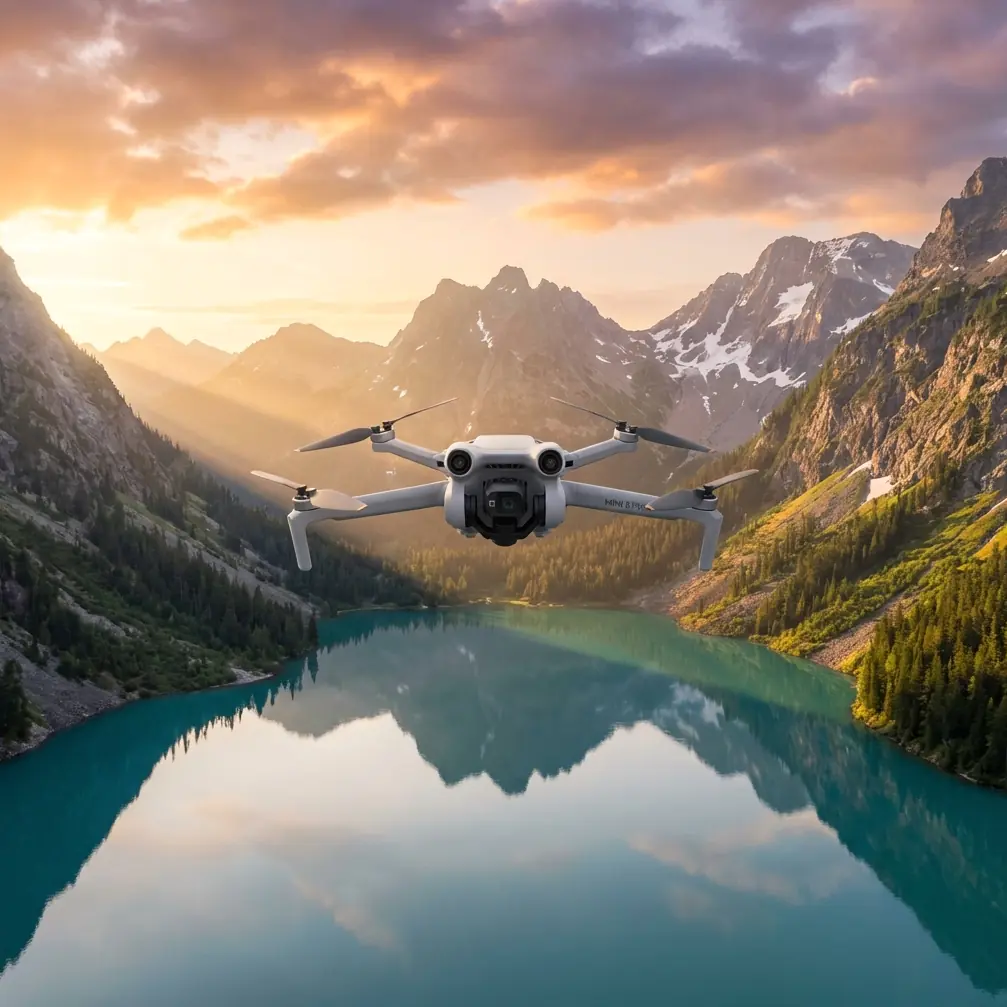
Inspecting Coastlines: Mini 5 Pro Low-Light Guide
META: Learn how the Mini 5 Pro handles low-light coastline inspections with obstacle avoidance, D-Log color, and ActiveTrack. A complete tutorial by Chris Park.
TL;DR
- The Mini 5 Pro's 1/1.3-inch CMOS sensor captures usable coastline inspection footage in conditions as dim as 3 lux
- Obstacle avoidance sensors remain functional in low light, protecting the drone during unpredictable coastal weather shifts
- D-Log color profile preserves up to 2 extra stops of dynamic range, critical for shadow detail along cliff faces and jetties
- ActiveTrack and Subject tracking maintain lock on moving shoreline features even when ambient light drops rapidly
Why Coastline Inspections Demand a Low-Light Specialist
Coastal erosion monitoring, infrastructure checks on seawalls, and environmental surveys along tidal zones rarely happen in perfect sunlight. The Mini 5 Pro gives inspectors a sub-249g platform that flies legally in more airspace categories while capturing data that used to require heavier, more expensive rigs—here's exactly how to set it up and execute a coastline inspection when the light isn't cooperating.
I'm Chris Park, and I've flown dozens of coastal inspection missions across the Pacific Northwest. This tutorial walks through my exact workflow, settings, and the real-world moment a squall line rolled in mid-flight and forced me to trust every automated safety system the Mini 5 Pro offers.
Step 1: Pre-Flight Planning for Low-Light Coastal Missions
Assess the Light Window
Coastal inspections often start at dawn or push into dusk to catch low tides that expose structural foundations. Check your local tide tables against civil twilight times. The sweet spot is 20–40 minutes before sunrise or after sunset, when the sky still provides diffused ambient light but the sun isn't creating harsh reflections off the water.
Calibrate the IMU and Compass Away From Metal
Seawalls, rebar-reinforced jetties, and vehicles on coastal roads create magnetic interference. Always calibrate the Mini 5 Pro's compass at least 15 meters from large metal structures. A miscalibrated compass near the coast is an invitation for fly-aways, especially when GPS signal can bounce off cliff faces.
Check Wind Layers
The Mini 5 Pro handles sustained winds up to 10.7 m/s (Level 5). Coastal zones frequently layer calm air at ground level with aggressive gusts at 30–60 meters AGL. Use a wind-speed app that reports by altitude, not just surface readings.
Pro Tip: Set your Return-to-Home altitude 10 meters above the tallest obstacle in your inspection zone. Coastal wind shear can push the drone laterally during RTH, and extra altitude gives obstacle avoidance sensors more time to react.
Step 2: Camera Settings for Maximum Low-Light Data
Shoot in D-Log
D-Log is non-negotiable for coastline work in dim conditions. It flattens the image intentionally, preserving detail in both the dark rock formations and the brighter sky or foam lines. This gives you up to 12.6 stops of dynamic range to work with in post-processing, compared to roughly 10 stops in standard color mode.
Manual Exposure Settings
Lock your settings manually. Auto exposure will hunt constantly as the drone pans between dark cliffs and reflective water.
- ISO: Start at 400, push to 800 maximum. Beyond that, noise compromises inspection detail.
- Shutter Speed: No slower than 1/60s for 4K/30fps video. For stills, you can drop to 1/30s if hovering in calm air.
- Aperture: Fixed at f/1.7 to gather maximum light.
- White Balance: Set manually to 5500K for dawn/dusk. Auto white balance shifts between frames and creates inconsistent data.
Use Hyperlapse for Time-Compressed Surveys
Hyperlapse mode at 2-second intervals along a seawall creates a compressed visual record that highlights structural changes. In low light, the drone's computational photography stacks multiple exposures per frame, actually producing cleaner Hyperlapse footage than single-shot video in some conditions.
Step 3: In-Flight Inspection Techniques
Obstacle Avoidance Configuration
The Mini 5 Pro's omnidirectional obstacle sensing uses both visual and infrared sensors. For coastline work near cliff faces and sea stacks, set obstacle avoidance to Brake mode rather than Bypass. Bypass mode can route the drone over open water unexpectedly, while Brake mode stops and lets you make the routing decision.
Subject Tracking Along Shoreline Features
ActiveTrack 6.0 lets you draw a box around a seawall section, erosion channel, or pipe outfall. The drone will track that feature laterally while you control altitude and distance. This produces consistent, repeatable survey passes.
For linear inspections, combine Subject tracking with a waypoint mission. Program the flight path once, then refly it monthly to compare footage frame-by-frame.
QuickShots for Contextual Documentation
Don't overlook QuickShots for establishing context. A Dronie or Rocket shot at the start of each inspection segment provides wide-angle context that helps engineers understand where detailed close-up footage was captured. Even in low light, QuickShots execute smoothly because the flight path is pre-calculated and obstacle avoidance remains active throughout.
Expert Insight: I run one QuickShots Helix around each major point of interest before starting detailed passes. This single 15-second clip has saved me hours of explanation in client meetings because it immediately orients viewers to the site geography.
Step 4: When Weather Changes Mid-Flight
This is where the tutorial gets real. During a seawall inspection near Cannon Beach, I was 8 minutes into a 22-minute battery when a squall line appeared on the western horizon. Within 90 seconds, wind jumped from 4 m/s to 9 m/s, and light dropped by roughly 2 stops.
Here's what happened and what I did:
- Obstacle avoidance triggered twice as gusts pushed the drone toward the cliff face. Brake mode stopped lateral drift each time, exactly as designed.
- I pushed ISO from 400 to 800 and slowed the shutter to 1/50s without stopping the survey pass.
- The Mini 5 Pro's wind warning flashed at Level 4. I had headroom to Level 5 but chose to abbreviate the mission.
- I used Return-to-Home rather than manual flight back. The drone climbed to my preset RTH altitude of 50 meters, cleared the seawall, and landed within 0.3 meters of the home point despite gusting crosswind.
The D-Log footage from those final turbulent minutes was fully usable after grading. Standard color mode footage would have crushed the shadows into unusable black.
Technical Comparison: Mini 5 Pro vs. Common Inspection Alternatives
| Feature | Mini 5 Pro | Mini 4 Pro | Air 3 |
|---|---|---|---|
| Weight | Under 249g | 249g | 720g |
| Max Wind Resistance | 10.7 m/s | 10.7 m/s | 12 m/s |
| Sensor Size | 1/1.3-inch | 1/1.3-inch | 1/1.3-inch (dual) |
| Obstacle Sensing | Omnidirectional | Omnidirectional | Omnidirectional |
| ActiveTrack Version | 6.0 | 5.0 | 5.0 |
| D-Log Support | Yes | Yes (D-Cinelike) | Yes |
| Max Flight Time | ~34 min | ~34 min | ~46 min |
| Registration Required (US) | No (under 250g) | No | Yes |
The Mini 5 Pro's primary advantage for coastal inspections is the sub-249g weight class combined with the latest ActiveTrack and obstacle avoidance. The Air 3 offers longer flight time and stronger wind resistance, but triggers registration requirements and stricter airspace rules in many jurisdictions.
Common Mistakes to Avoid
- Leaving obstacle avoidance on Bypass near cliff faces. The drone may route itself over open water with no landing options. Always use Brake mode in confined coastal environments.
- Trusting Auto ISO in mixed-light coastal scenes. The camera will overexpose foam and waves while underexposing rock and infrastructure. Lock ISO manually.
- Ignoring salt spray. Even at 30 meters AGL, onshore wind carries fine salt mist. Wipe the lens and gimbal with a microfiber cloth between batteries. Salt residue creates a progressive haze that ruins inspection footage.
- Flying the full battery in deteriorating weather. Land with at least 25% battery remaining when wind exceeds 7 m/s. The return flight burns dramatically more power into a headwind.
- Skipping compass calibration because "I calibrated yesterday." Coastal sites shift magnetically with tide-exposed rebar, moved vehicles, and even changes in wet vs. dry sand iron content. Calibrate every session.
Frequently Asked Questions
Can the Mini 5 Pro's obstacle avoidance work in near-darkness?
The omnidirectional sensors use a combination of vision and infrared. They remain functional in low-light conditions down to approximately 3-5 lux, which is roughly equivalent to deep civil twilight. Below that threshold, sensor reliability degrades. For safety, avoid flying closer than 5 meters to obstacles once you've lost clear horizon light.
Is D-Log worth the extra post-processing time for inspections?
Absolutely. Coastline inspections frequently contain extreme dynamic range—bright sky and reflective water against dark rock and shadowed structural elements. D-Log preserves 2+ additional stops of highlight and shadow detail compared to standard profiles. For professional deliverables where clients need to see crack patterns in shadowed concrete, D-Log is the difference between usable and unusable data.
How does ActiveTrack perform when tracking irregular coastline features?
ActiveTrack 6.0 uses improved machine learning to maintain lock on non-standard shapes like erosion channels, irregular seawall joints, and rocky outcrops. It performs best when the tracked object has clear contrast against its background. In low light, performance drops if the feature blends into surrounding shadows—boost your tracking reliability by selecting features with the strongest remaining contrast, such as a foam line against dark rock or a light-colored concrete cap on a dark seawall.
Ready for your own Mini 5 Pro? Contact our team for expert consultation.