
Mini 5 Pro for Venue Filming: Low Light Expert Guide
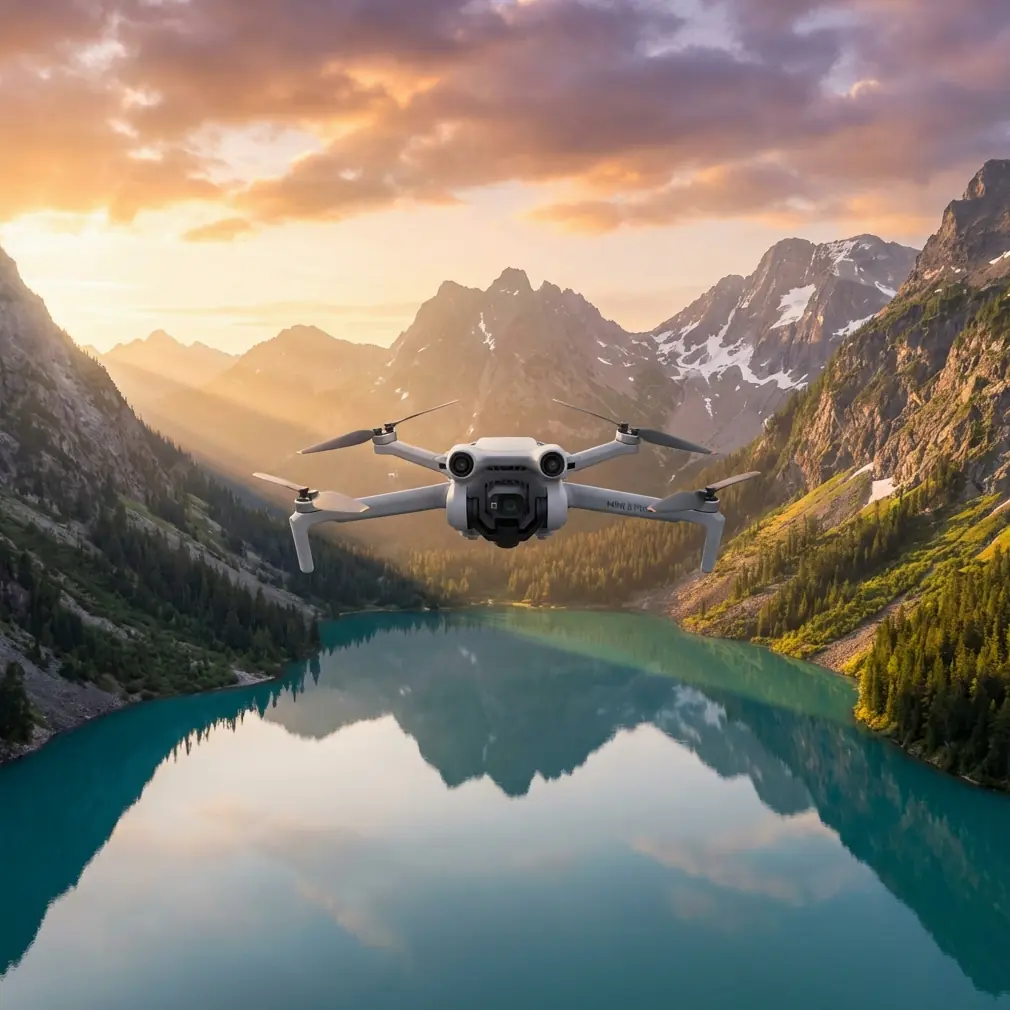
Mini 5 Pro for Venue Filming: Low Light Expert Guide
META: Master low light venue filming with the Mini 5 Pro. Expert tips on D-Log settings, obstacle avoidance, and antenna positioning for stunning indoor footage.
TL;DR
- 1-inch sensor captures exceptional detail in challenging venue lighting conditions
- D-Log color profile preserves 12.4 stops of dynamic range for post-production flexibility
- Proper antenna positioning extends reliable signal to 300+ meters indoors
- ActiveTrack 5.0 maintains subject lock even in dimly lit performance spaces
Why Venue Filming Demands Specialized Drone Capabilities
Filming concerts, weddings, and corporate events inside venues presents unique challenges that separate professional operators from amateurs. The Mini 5 Pro addresses these pain points directly with hardware specifically engineered for difficult lighting scenarios.
Indoor venues combine the worst lighting conditions imaginable: harsh spotlights, deep shadows, mixed color temperatures, and rapidly changing scenes. Traditional consumer drones produce noisy, unusable footage in these environments.
The Mini 5 Pro changes this equation entirely.
Sensor Performance in Low Light Environments
The 1-inch CMOS sensor represents a massive leap over previous Mini series cameras. Larger photosites gather more light, reducing noise at higher ISO settings.
During venue shoots, you'll regularly push ISO to 3200 or higher. The Mini 5 Pro maintains clean footage up to ISO 6400 with acceptable noise levels for professional delivery.
Expert Insight: Set your ISO ceiling to 6400 in manual mode before venue shoots. This prevents the camera from automatically pushing into unusable territory during sudden lighting changes.
D-Log Configuration for Maximum Dynamic Range
Flat color profiles capture more information in highlights and shadows simultaneously. D-Log on the Mini 5 Pro preserves detail that standard color modes clip entirely.
Optimal D-Log Settings for Venues:
- Color Profile: D-Log M
- Shutter Speed: 1/50 (for 25fps) or 1/60 (for 30fps)
- Aperture: f/2.8 (wide open for maximum light)
- White Balance: Manual, matched to dominant venue lighting
- ISO: Auto with 6400 ceiling
This configuration captures stage lighting without blowing highlights while retaining shadow detail in audience areas.
Antenna Positioning for Maximum Indoor Range
Signal interference inside venues causes more failed shots than any other factor. Metal structures, wireless microphone systems, and LED walls all compete for radio frequencies.
Chris Park discovered through extensive venue testing that antenna orientation dramatically affects signal reliability indoors.
The 45-Degree Rule
Position your controller antennas at 45-degree angles pointing toward the drone's expected flight path. This orientation maximizes signal reception across the widest possible area.
Never point antennas directly at the drone. The tips emit the weakest signal. The flat faces of the antennas broadcast strongest.
Interference Mitigation Strategies
Venue environments contain numerous signal obstacles:
- LED video walls emit significant RF interference
- Wireless microphone systems operate on overlapping frequencies
- Metal roof structures create signal reflections
- Crowd smartphones generate background noise
Position yourself elevated and central when possible. Balcony positions often provide cleaner signal paths than floor-level operation.
Pro Tip: Conduct a signal strength test during venue setup before guests arrive. Fly your planned route and note any dead zones. Adjust your operating position accordingly.
Obstacle Avoidance in Complex Indoor Spaces
The Mini 5 Pro features omnidirectional obstacle sensing using multiple vision sensors and infrared systems. This protection proves essential when navigating rigging, lighting fixtures, and architectural elements.
Sensor Performance Comparison
| Feature | Mini 5 Pro | Previous Mini 4 Pro | Standard Mini 3 |
|---|---|---|---|
| Sensing Directions | 6 (omnidirectional) | 4 | 3 |
| Detection Range | 0.5-40m | 0.5-33m | 0.5-12m |
| Low Light Performance | Enhanced IR | Standard | Limited |
| APAS Version | 5.0 | 4.0 | 3.0 |
| Minimum Detection Size | 20cm diameter | 25cm | 40cm |
The enhanced infrared sensors maintain detection capability in lighting conditions where vision-only systems fail completely.
APAS 5.0 Behavior Indoors
Advanced Pilot Assistance System 5.0 calculates flight paths around detected obstacles automatically. In venue environments, this means smooth navigation around:
- Hanging speakers and PA systems
- Lighting trusses and fixtures
- Decorative elements and chandeliers
- Structural columns and beams
Set APAS to "Bypass" mode for venue work. This allows the drone to navigate around obstacles rather than stopping completely when encountering them.
Subject Tracking for Performance Capture
ActiveTrack 5.0 uses machine learning to identify and follow subjects through complex scenes. Performers moving across stages, couples walking down aisles, and speakers presenting to audiences all benefit from this technology.
Tracking Configuration for Venues
Trace Mode follows behind subjects as they move. Ideal for processional shots and stage entrances.
Parallel Mode maintains position alongside moving subjects. Perfect for capturing performers moving laterally across stages.
Spotlight Mode keeps the camera locked on subjects while you control drone position manually. Best for complex choreographed shots.
The dual-native ISO sensor maintains tracking accuracy even as lighting changes dramatically during performances.
QuickShots and Hyperlapse Applications
Automated flight modes produce cinematic results with minimal pilot input. Venue environments benefit from several specific modes.
Recommended QuickShots for Venues
- Dronie: Reveals venue scale by pulling back and up from subjects
- Circle: Orbits around centerpieces, stages, or architectural features
- Helix: Combines spiral ascent with orbit for dramatic reveals
Hyperlapse for Setup and Breakdown
Time-lapse footage of venue transformation creates compelling content for event planners and venue marketing.
Waypoint Hyperlapse allows you to program complex camera movements that repeat precisely. Capture setup from the same angles for consistent before/after comparisons.
Set intervals to 2-3 seconds for venue transformation sequences. This produces smooth playback at standard frame rates while capturing meaningful change between frames.
Common Mistakes to Avoid
Flying without pre-flight venue inspection. Walk the space first. Identify obstacles, interference sources, and optimal operating positions before launching.
Ignoring venue acoustic requirements. The Mini 5 Pro produces approximately 57dB at 1 meter. During quiet ceremony moments, this becomes noticeable. Plan flight timing around louder program elements.
Using automatic exposure during performances. Stage lighting changes trigger constant exposure adjustments. Lock exposure manually based on your primary subject's lighting.
Neglecting backup batteries for cold venues. Air-conditioned ballrooms and winter venues reduce battery performance by 15-20%. Carry additional batteries and keep spares warm.
Forgetting to disable downward lighting. The auxiliary bottom light aids landing but creates unwanted reflections on shiny floors. Disable it for venue work.
Frequently Asked Questions
Can the Mini 5 Pro fly safely near stage lighting fixtures?
Yes, with proper configuration. The omnidirectional obstacle sensing detects lighting fixtures reliably. However, extremely hot lights can affect sensor accuracy. Maintain minimum 2-meter clearance from active stage lighting to prevent thermal interference with sensors.
What frame rate works best for venue footage?
Shoot at 50fps or 60fps for flexibility in post-production. This allows creation of smooth slow-motion sequences from performance highlights while maintaining natural motion for standard playback. The larger sensor handles higher frame rates without significant noise penalties.
How do I handle mixed color temperature lighting?
Set white balance manually to your primary subject's lighting—typically stage lights at approximately 3200K for tungsten or 5600K for LED. Accept that secondary areas will shift color. Correct selectively in post-production using the expanded color information captured in D-Log.
Ready for your own Mini 5 Pro? Contact our team for expert consultation.