
Expert Coastal Filming Guide: Master the Mini 5 Pro
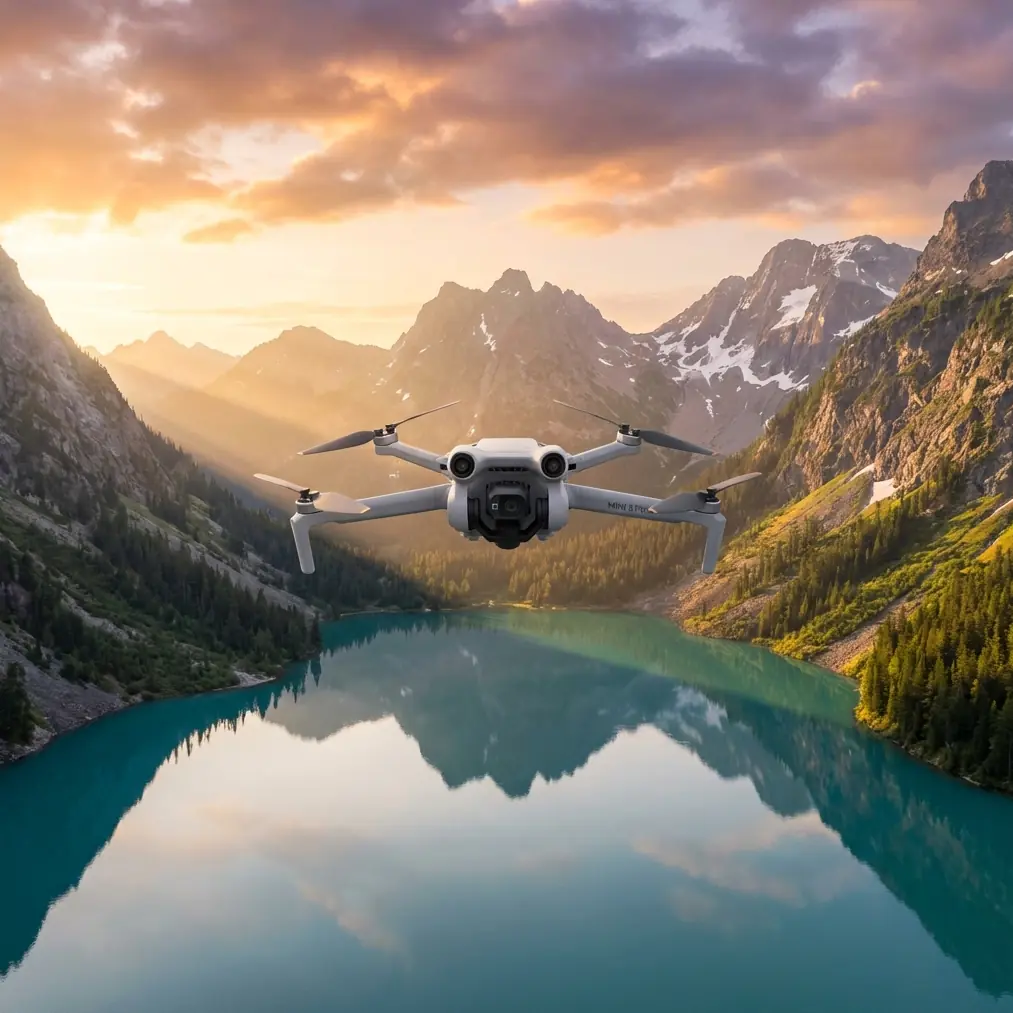
Expert Coastal Filming Guide: Master the Mini 5 Pro
META: Learn professional coastal filming techniques with the Mini 5 Pro drone. Discover optimal altitudes, camera settings, and flight patterns for stunning shoreline footage.
TL;DR
- Fly between 30-120 meters for optimal coastal compositions that capture both wave detail and dramatic shoreline perspectives
- D-Log color profile preserves highlight detail in bright sand and water reflections, giving you maximum editing flexibility
- ActiveTrack 6.0 maintains smooth subject tracking even when filming surfers or boats against complex ocean backgrounds
- Obstacle avoidance sensors require manual adjustment near cliff faces and sea stacks to prevent false triggers
Why Coastal Environments Demand Specialized Drone Techniques
Salt air corrodes electronics. Unpredictable winds shift without warning. Reflective water surfaces confuse autofocus systems. Coastal filming presents challenges that inland pilots never encounter.
The Mini 5 Pro addresses these obstacles with tri-directional obstacle avoidance, a 1/1.3-inch CMOS sensor capable of handling extreme dynamic range, and wind resistance up to 10.7 m/s. But hardware alone won't capture professional-grade footage.
This guide breaks down the exact settings, flight patterns, and creative techniques I use when filming coastlines. You'll learn altitude strategies for different shot types, camera configurations that handle harsh lighting, and movement patterns that create cinematic sequences.
Optimal Flight Altitudes for Coastal Compositions
Altitude selection transforms ordinary coastline footage into compelling visual stories. Each height range serves specific creative purposes.
Low Altitude: 5-30 Meters
This range captures intimate wave details and textured sand patterns. The Mini 5 Pro's 249-gram weight makes it legal to fly at these heights in most jurisdictions without special permits.
At 15 meters, you'll capture:
- Individual wave crests and foam patterns
- Footprints and tidal pool details
- Close tracking shots of surfers or kayakers
- Dramatic reveals over dune grass
Expert Insight: When filming below 20 meters near breaking waves, enable Sport Mode for immediate altitude adjustments. Rogue waves can surge higher than expected, and the Mini 5 Pro's 10 m/s ascent rate provides essential escape margin.
Mid Altitude: 30-80 Meters
This sweet spot balances environmental context with subject detail. Most professional coastal content lives in this range.
At 50 meters, compositions include:
- Complete wave sets approaching shore
- Beach activity with identifiable subjects
- Tidal patterns and sandbar formations
- Coastal vegetation meeting shoreline
The Mini 5 Pro's 4K/60fps recording at this altitude captures smooth slow-motion sequences of wave breaks without losing resolution.
High Altitude: 80-120 Meters
Reserve this range for establishing shots and geographic context. The coastline becomes a graphic element—curves, colors, and patterns dominate.
At 100 meters, you'll achieve:
- Complete bay or cove compositions
- Dramatic cliff-to-ocean scale
- Weather pattern visualization
- Abstract color field imagery
Camera Settings for Harsh Coastal Light
Beaches present the most challenging lighting conditions in drone photography. Bright sand reflects upward while dark water absorbs light, creating contrast ratios exceeding 14 stops.
D-Log Configuration
Switch to D-Log M color profile before every coastal flight. This flat profile preserves 2.5 additional stops of dynamic range compared to standard color modes.
Configure these settings:
- ISO: 100-200 (never auto)
- Shutter Speed: Double your frame rate (1/120 for 60fps)
- White Balance: 5600K (manual, not auto)
- Aperture: f/2.8-f/4 for sharpness across frame
ND Filter Selection
The Mini 5 Pro's fixed aperture lens requires neutral density filters for proper exposure control.
| Lighting Condition | ND Filter | Typical Shutter |
|---|---|---|
| Overcast morning | ND8 | 1/120 at 60fps |
| Partly cloudy | ND16 | 1/120 at 60fps |
| Bright midday | ND32 | 1/120 at 60fps |
| Harsh summer sun | ND64 | 1/120 at 60fps |
| Golden hour | ND4 | 1/120 at 60fps |
Pro Tip: Carry the full ND filter set on coastal shoots. Cloud cover changes rapidly over water, and you'll swap filters multiple times during a single session. The Mini 5 Pro's 34-minute flight time gives you flexibility to land, adjust, and relaunch.
ActiveTrack Techniques for Moving Coastal Subjects
The Mini 5 Pro's ActiveTrack 6.0 system uses machine learning to maintain subject lock even against visually complex backgrounds. Ocean surfaces present unique challenges—constant motion, reflective highlights, and similar color values can confuse tracking algorithms.
Surfer and Kayaker Tracking
For water-based subjects, configure ActiveTrack with these adjustments:
- Tracking sensitivity: High
- Subject size: Draw a tight box around the subject, excluding surrounding water
- Altitude: Maintain 15-25 meters for reliable tracking
- Angle: 45-degree downward tilt provides best contrast between subject and water
Coastal Runner or Cyclist Tracking
Beach runners against sand backgrounds track more reliably than water-based subjects.
Optimal configuration:
- Tracking mode: Parallel (drone moves alongside subject)
- Distance: 8-12 meters lateral offset
- Altitude: 3-5 meters above subject height
- Speed limit: Match to subject pace plus 20% margin
Wildlife Tracking Considerations
The Mini 5 Pro's quiet operation allows closer approaches to coastal birds than larger drones. However, responsible filming requires minimum 50-meter distances from nesting areas and resting flocks.
ActiveTrack can follow pelicans, herons, and other large coastal birds, but disable obstacle avoidance when tracking birds near cliff faces—the sensors may interpret rock walls as collision threats and abort tracking.
QuickShots and Hyperlapse for Efficient Coastal Content
Time constraints often limit coastal filming windows. Tides, weather, and permit restrictions compress available shooting time. The Mini 5 Pro's automated flight modes accelerate content capture.
QuickShots Selection for Coastlines
Dronie: Pulls backward and upward from subject. Works exceptionally well for revealing beach-to-ocean transitions. Start with subject at water's edge for maximum impact.
Helix: Spirals upward around subject. Creates dynamic lighthouse or sea stack reveals. Requires 30+ meters of clear airspace above starting point.
Rocket: Ascends directly upward while camera tilts down. Transforms beach umbrellas or rock formations into graphic patterns. Most effective at midday when shadows are minimal.
Circle: Orbits subject at fixed altitude and distance. Essential for isolated rock formations, tide pools, or coastal structures. Set radius to 15-20 meters for intimate compositions.
Hyperlapse Coastal Applications
The Mini 5 Pro's Hyperlapse mode compresses time while the drone moves through space. Coastal environments offer exceptional hyperlapse opportunities.
Tidal changes: Position drone at 40 meters facing beach. Set 2-second intervals over 2-hour duration. The resulting footage compresses tidal movement into seconds.
Cloud movement: Face camera toward horizon at 80 meters. Capture 3-second intervals during active weather. Ocean-generated clouds move faster than inland formations.
Shadow progression: Film cliff faces or sea stacks during morning or evening. 5-second intervals over 90 minutes create dramatic shadow sweeps across rock surfaces.
Obstacle Avoidance Calibration for Coastal Terrain
The Mini 5 Pro's tri-directional sensing system uses vision sensors and infrared to detect obstacles. Coastal environments present false-positive challenges that require manual adjustment.
Cliff Face Filming
When filming parallel to cliff walls, the side sensors may trigger avoidance maneuvers even at safe distances. Configure these adjustments:
- Obstacle avoidance action: Set to "Brake" rather than "Bypass"
- Sensing range: Reduce to minimum (0.5 meters) when flying established paths
- Manual override: Enable for experienced pilots working close to rock faces
Sea Stack Orbits
Isolated rock formations require careful sensor management. The Mini 5 Pro may interpret approaching rock as collision threat during orbit maneuvers.
Recommended approach:
- Establish orbit path in Normal mode with full sensing active
- Complete one full orbit to verify clearance
- Switch to Cine mode for smooth, slow footage capture
- Maintain 8+ meter clearance from rock surfaces
Common Mistakes to Avoid
Flying during offshore winds without margin: Offshore breezes feel calm at launch but strengthen over water. The Mini 5 Pro's 10.7 m/s wind resistance provides buffer, but always maintain 40% battery reserve when flying seaward.
Ignoring salt exposure: Even without direct water contact, salt spray accumulates on sensors and motors. Wipe all surfaces with microfiber cloth after every coastal session. Store with silica gel packets.
Trusting autofocus over water: Reflective surfaces confuse autofocus systems. Switch to manual focus set to infinity for distant coastal compositions. The Mini 5 Pro's deep depth of field at f/2.8 keeps everything sharp beyond 3 meters.
Filming only at midday: Harsh overhead light flattens coastal terrain. Schedule flights for golden hour (first/last hour of sunlight) or blue hour (30 minutes before sunrise/after sunset) for dimensional lighting.
Neglecting tide schedules: Tidal changes dramatically alter compositions. A beach that offers expansive sand patterns at low tide becomes narrow and cluttered at high tide. Check tide tables before every shoot.
Frequently Asked Questions
How close can I safely fly the Mini 5 Pro to breaking waves?
Maintain minimum 10-meter vertical clearance above wave crests. Salt spray from breaking waves can reach 8 meters in moderate surf conditions. The Mini 5 Pro lacks waterproofing—any direct water contact risks permanent damage to motors and electronics.
What battery strategy works best for coastal filming sessions?
Bring minimum 3 batteries for serious coastal work. Cold ocean air reduces battery efficiency by 15-20% compared to warm conditions. Land when battery reaches 30% rather than the standard 20% threshold—headwinds during return flights drain power faster than expected.
Can the Mini 5 Pro handle foggy coastal conditions?
The drone operates safely in light fog, but obstacle avoidance sensors lose effectiveness when visibility drops below 50 meters. Disable automated flight modes in fog and fly line-of-sight only. Moisture accumulation on camera lens requires frequent landing and cleaning.
Ready for your own Mini 5 Pro? Contact our team for expert consultation.