
Mini 5 Pro Mountain Venue Photography Mastery Guide
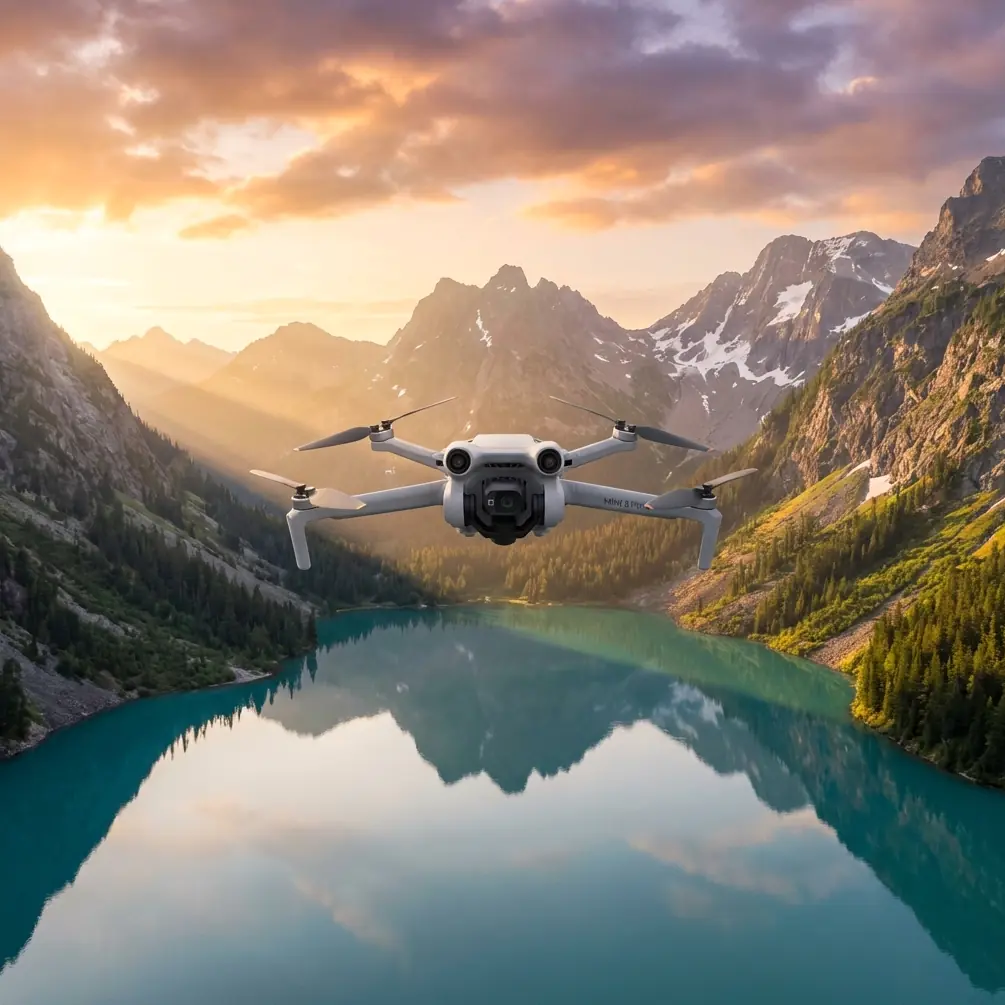
Mini 5 Pro Mountain Venue Photography Mastery Guide
META: Master mountain venue photography with Mini 5 Pro. Learn essential pre-flight prep, obstacle avoidance tips, and pro techniques for stunning aerial shots.
TL;DR
- Pre-flight sensor cleaning is critical for reliable obstacle avoidance in dusty mountain environments
- ActiveTrack 5.0 maintains subject lock even when venues are surrounded by complex terrain
- D-Log color profile captures 13.4 stops of dynamic range for challenging mountain lighting
- QuickShots and Hyperlapse modes create cinematic venue reveals without advanced piloting skills
Dirty sensors cause crashes. Before every mountain venue shoot, I spend exactly 90 seconds cleaning the Mini 5 Pro's obstacle avoidance sensors—and this simple habit has saved my drone from colliding with cliff faces, pine trees, and rustic barn structures more times than I can count.
Mountain venue photography presents unique challenges that flat-terrain shooters never encounter. Rapidly changing light conditions, unpredictable wind gusts, and complex three-dimensional obstacles demand both technical preparation and creative problem-solving. This guide breaks down exactly how I use the Mini 5 Pro's advanced features to capture wedding venues, event spaces, and architectural subjects in alpine environments.
Why Pre-Flight Cleaning Determines Mission Success
The Mini 5 Pro features omnidirectional obstacle sensing with sensors positioned on all six sides of the aircraft. These sensors work flawlessly in controlled environments but become unreliable when dust, pollen, or moisture accumulates on their surfaces.
Mountain environments are particularly harsh on sensor cleanliness:
- Pine pollen creates a sticky film during spring and summer months
- Trail dust kicks up during takeoff and landing on unpaved surfaces
- Morning dew leaves water spots that scatter infrared sensing beams
- High-altitude UV exposure accelerates lens coating degradation
My 90-Second Pre-Flight Cleaning Protocol
Before every mountain venue shoot, I complete this sequence:
- Inspect all six sensor clusters using a phone flashlight at an angle
- Blow loose particles with a rocket blower (never canned air at altitude)
- Wipe optical surfaces with a microfiber cloth using circular motions
- Verify sensor status in the DJI Fly app's safety menu
This routine takes less time than checking your camera settings, yet it's the single most important safety step for mountain operations.
Expert Insight: I learned this lesson the hard way at a vineyard wedding venue in Colorado. Dusty sensors caused the obstacle avoidance system to trigger false positives, making the drone refuse to fly near the main building. A quick cleaning solved the problem instantly.
Mastering Obstacle Avoidance in Complex Terrain
The Mini 5 Pro's APAS 5.0 (Advanced Pilot Assistance System) represents a significant upgrade over previous generations. The system processes data from all obstacle sensors simultaneously, creating a real-time 3D map of the environment.
Obstacle Avoidance Mode Selection
For mountain venue work, I switch between three modes depending on the shot:
| Mode | Best Use Case | Risk Level |
|---|---|---|
| Bypass | Open areas with scattered trees | Low |
| Brake | Tight spaces near structures | Medium |
| Off | Expert-only precision maneuvers | High |
Bypass mode works exceptionally well for sweeping reveals of mountain lodges and rustic venues. The drone automatically navigates around pine trees and outbuildings while maintaining smooth flight paths.
Brake mode becomes essential when filming close to venue structures. Rather than attempting to navigate around obstacles, the drone stops completely—giving you time to manually reposition.
Terrain Follow Limitations
Mountain slopes create unique challenges for terrain-following features. The Mini 5 Pro's downward sensors maintain altitude relative to the ground directly below, but steep grades can cause unexpected altitude changes.
When filming a venue on a 30-degree slope, the drone may suddenly climb or descend 15-20 meters as it crosses terrain transitions. I compensate by:
- Flying in manual altitude mode for critical shots
- Planning flight paths that follow contour lines rather than crossing them
- Using tripod mode for slow, controlled movements near slope transitions
Subject Tracking for Dynamic Venue Reveals
ActiveTrack 5.0 transforms how I capture venue walkthroughs and property tours. The system uses machine learning to identify and follow subjects even when they temporarily disappear behind structures.
Tracking Mode Comparison
| Feature | Trace | Parallel | Spotlight |
|---|---|---|---|
| Drone Movement | Follows behind | Flies alongside | Stationary |
| Best For | Pathway reveals | Driveway approaches | Architectural details |
| Obstacle Risk | Medium | High | Low |
| Subject Distance | 5-15m | 8-20m | 10-50m |
For mountain venues, Spotlight mode often produces the most reliable results. The drone maintains position while rotating to keep the subject centered—eliminating the risk of collision with unseen obstacles during tracking maneuvers.
Pro Tip: When tracking a couple walking through a venue, I set the tracking box to include both subjects plus 20% margin on each side. This prevents the system from losing lock when subjects briefly separate or overlap.
Cinematic Techniques with QuickShots and Hyperlapse
The Mini 5 Pro's automated flight modes produce professional-quality footage without requiring advanced piloting skills. For venue photography, three modes stand out:
QuickShots for Venue Reveals
Dronie creates the classic pull-back reveal that showcases a venue's setting within the broader mountain landscape. The drone flies backward and upward simultaneously, expanding the frame from subject to environment.
Circle produces orbiting shots that highlight architectural features from multiple angles. For mountain venues, I typically set the orbit radius to 25-35 meters to include surrounding landscape elements.
Helix combines circular motion with altitude gain, creating dramatic spiral reveals perfect for tall structures like barn venues or mountain lodges.
Hyperlapse for Time Compression
Mountain light changes dramatically throughout the day. Hyperlapse mode captures these transitions in compressed form, showing how shadows move across venue facades or how sunset colors paint the surrounding peaks.
Settings I use for venue Hyperlapse:
- Interval: 2 seconds for cloud movement, 5 seconds for shadow progression
- Duration: Minimum 30 minutes for compelling time compression
- Mode: Waypoint for complex multi-angle sequences
Color Science: D-Log for Mountain Lighting
Mountain environments present extreme dynamic range challenges. Bright snow, deep forest shadows, and reflective venue surfaces often exceed 14 stops of contrast in a single frame.
The Mini 5 Pro's D-Log M color profile captures 13.4 stops of dynamic range, preserving detail in both highlights and shadows for post-processing flexibility.
D-Log Settings for Venue Work
- ISO: 100-200 for daylight, 400-800 for golden hour
- Shutter Speed: Double your frame rate (1/60 for 30fps)
- White Balance: Manual setting based on conditions (5600K sunny, 6500K overcast)
D-Log footage appears flat and desaturated directly from the camera. I apply a base correction LUT during editing, then fine-tune exposure and color for each venue's unique characteristics.
When to Skip D-Log
For quick social media content or same-day delivery, the Normal color profile produces vibrant, ready-to-share footage. The tradeoff is reduced flexibility in post-production, but the time savings often justify this choice for commercial venue work.
Common Mistakes to Avoid
Flying without checking wind forecasts at altitude. Mountain venues often sit at elevations where wind speeds differ dramatically from valley readings. The Mini 5 Pro handles winds up to 10.7 m/s, but gusts can exceed this threshold without warning.
Ignoring battery temperature warnings. Cold mountain mornings reduce battery capacity by 20-30%. I keep spare batteries in an insulated bag against my body until needed.
Relying solely on GPS for positioning. Mountain terrain can block satellite signals, causing position drift. Always maintain visual line of sight and be prepared to take manual control.
Forgetting to calibrate the compass. Magnetic anomalies near mountain venues (especially those with metal roofing) can cause erratic flight behavior. Calibrate before every session at a new location.
Shooting only during midday. The harsh overhead light of mountain midday creates unflattering shadows on venue structures. Golden hour and blue hour produce dramatically better results.
Frequently Asked Questions
How does altitude affect Mini 5 Pro performance?
The Mini 5 Pro operates reliably up to 4,000 meters above sea level in standard mode. At higher elevations, reduced air density decreases propeller efficiency, shortening flight times by approximately 10-15% and reducing maximum wind resistance.
Can obstacle avoidance work in low light conditions?
The infrared-based obstacle sensors function in reduced lighting but become unreliable below 300 lux—roughly equivalent to deep twilight. For dawn and dusk venue shoots, I switch to manual flight mode and maintain extra clearance from obstacles.
What's the minimum safe distance from venue structures?
I maintain at least 5 meters horizontal clearance from buildings when obstacle avoidance is active. For manual flight near structures, I reduce this to 2-3 meters only when conditions are calm and I have clear visual reference.
Mountain venue photography demands respect for both the environment and your equipment. The Mini 5 Pro's combination of compact size, advanced obstacle avoidance, and professional imaging capabilities makes it an ideal tool for this challenging work—provided you take the time to prepare properly before each flight.
Ready for your own Mini 5 Pro? Contact our team for expert consultation.