
Mini 5 Pro Guide: Capturing Fields in Windy Conditions
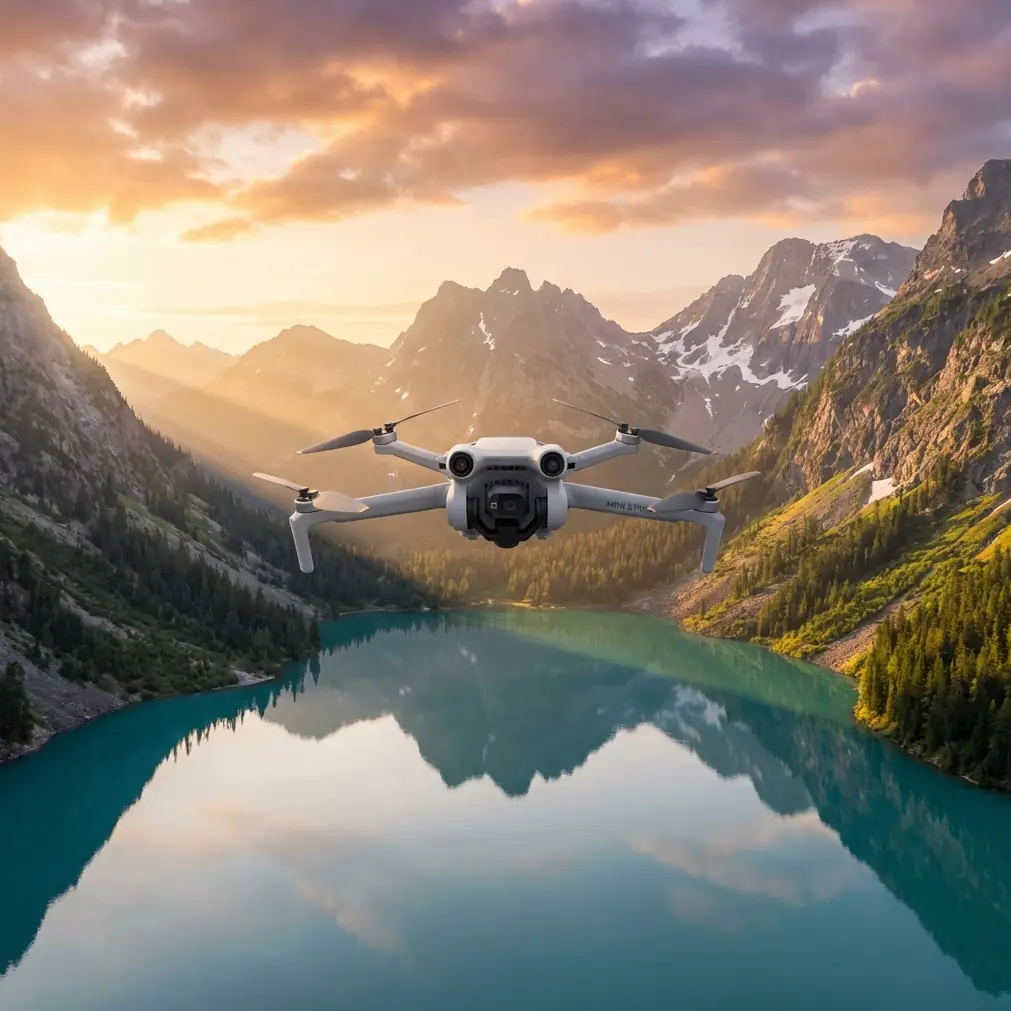
Mini 5 Pro Guide: Capturing Fields in Windy Conditions
META: Master field photography with Mini 5 Pro in windy conditions. Learn optimal altitudes, camera settings, and pro techniques for stunning agricultural shots.
TL;DR
- Fly between 50-80 meters for optimal wind stability and compelling field compositions
- Use D-Log color profile to preserve detail in high-contrast agricultural landscapes
- Enable ActiveTrack 5.0 for smooth tracking shots across expansive terrain
- Leverage the tri-directional obstacle avoidance system for confident low-altitude passes
Why Wind Challenges Field Photography
Capturing expansive agricultural fields presents unique aerodynamic challenges. Open terrain creates unobstructed wind corridors that buffet lightweight drones unpredictably. The Mini 5 Pro's sub-249g frame might seem vulnerable, but its advanced stabilization systems transform this perceived weakness into a strategic advantage.
Wind speeds across open fields typically measure 15-25% higher than readings at ground level. Your smartphone weather app shows calm conditions while your drone battles invisible turbulence at altitude. Understanding this disconnect separates amateur footage from professional-grade content.
The Mini 5 Pro compensates through its upgraded motor system and 3-axis mechanical gimbal, maintaining smooth footage even when the airframe itself experiences significant movement.
Optimal Flight Altitude: The Sweet Spot Strategy
Here's the insight that transformed my field photography: altitude selection directly correlates with wind layer behavior.
The 50-80 Meter Zone
This altitude range consistently delivers the best results for agricultural photography. Below 50 meters, you encounter ground-effect turbulence—wind bouncing off crops, equipment, and terrain features creates chaotic air pockets. Above 80 meters, you enter stronger laminar wind flows that challenge the Mini 5 Pro's positioning systems.
The 50-80 meter sweet spot offers:
- Reduced turbulence from ground interference
- Sufficient height for dramatic field patterns
- Manageable wind speeds for stable hovering
- Optimal perspective for crop row geometry
Altitude Adjustment by Wind Speed
| Wind Speed (Ground) | Recommended Altitude | Flight Mode |
|---|---|---|
| 0-10 km/h | 30-60m | Normal |
| 10-20 km/h | 50-80m | Normal/Sport |
| 20-30 km/h | 60-90m | Sport |
| 30-38 km/h | 70-100m | Sport (caution) |
The Mini 5 Pro handles winds up to Level 5 (38 km/h), but battery consumption increases dramatically above 25 km/h. Plan shorter flights accordingly.
Camera Settings for Field Landscapes
Agricultural photography demands specific configurations to capture the subtle color variations and textures that make fields visually compelling.
D-Log Configuration
Switch to D-Log color profile immediately. This flat color profile preserves 2-3 additional stops of dynamic range—critical when shooting fields where bright sky meets shadowed crop rows.
D-Log settings for field work:
- ISO: 100-200 (never auto)
- Shutter Speed: Double your frame rate (1/60 for 30fps)
- White Balance: Manual, 5600K for midday, 6500K for golden hour
- Color Profile: D-Log M
Expert Insight: The Mini 5 Pro's 1-inch CMOS sensor captures remarkable shadow detail in D-Log. During post-processing, you'll recover texture in dark crop rows that would clip to black in standard profiles. This single setting change elevates footage quality more than any other adjustment.
Resolution and Frame Rate Selection
For field photography, prioritize resolution over frame rate:
- 4K/30fps: Standard documentation and portfolio work
- 4K/60fps: When planning slow-motion segments
- 5.4K/30fps: Maximum detail for large prints or heavy cropping
The 5.4K resolution proves particularly valuable for agricultural clients who need to zoom into specific field sections during review.
Movement Techniques for Dynamic Field Footage
Static hovering shots waste the Mini 5 Pro's capabilities. Implement these movement patterns for professional results.
The Reveal Shot
Start with the camera pointed at an interesting foreground element—a lone tree, irrigation equipment, or field boundary. Slowly ascend while tilting the gimbal upward, revealing the expansive field behind. This technique creates emotional impact through progressive disclosure.
Execute at 2-3 m/s ascent speed with corresponding gimbal tilt of 5-8 degrees per second.
Lateral Tracking
Position the Mini 5 Pro at field edge, 60 meters altitude, camera perpendicular to your flight path. Fly parallel to crop rows at 5-7 m/s. The geometric patterns create hypnotic visual rhythm.
QuickShots automates this with the "Dronie" and "Rocket" presets, but manual control delivers superior results for serious work.
The Orbit Pattern
Center your orbit on a visual anchor point—a farmhouse, equipment cluster, or distinctive crop pattern. The Mini 5 Pro's Point of Interest mode maintains perfect circular paths while you control altitude and speed.
Optimal orbit parameters:
- Radius: 80-120 meters
- Speed: 3-5 m/s
- Altitude: 50-70 meters
- Duration: 45-60 seconds minimum
Leveraging Subject Tracking Across Open Terrain
The ActiveTrack 5.0 system excels in field environments where clear sight lines and minimal obstacles create ideal tracking conditions.
Tracking Agricultural Equipment
Lock onto tractors, harvesters, or irrigation systems for dynamic action sequences. The Mini 5 Pro maintains tracking even when subjects move at 30+ km/h, adjusting flight path automatically.
Configuration for equipment tracking:
- Enable Spotlight mode for stationary camera with moving subject
- Use ActiveTrack for following shots
- Set Parallel tracking for side-angle perspectives
Pro Tip: When tracking moving equipment, position yourself upwind. The Mini 5 Pro expends less battery fighting headwinds during return-to-home sequences, and tracking algorithms perform better when the drone moves with prevailing winds rather than against them.
Hyperlapse for Time Compression
Agricultural fields transform dramatically across hours. The Hyperlapse function captures this evolution efficiently.
Recommended Hyperlapse settings:
- Mode: Waypoint (for complex paths) or Circle (for single-subject focus)
- Interval: 2-3 seconds
- Duration: 15-30 minutes capture time
- Output: 4K resolution
A 20-minute Hyperlapse at 2-second intervals produces approximately 15 seconds of final footage—perfect for showing cloud shadow movement across crops or equipment progression through fields.
Obstacle Avoidance in Open Environments
Field photography seems obstacle-free until you encounter power lines, isolated trees, or communication towers. The Mini 5 Pro's tri-directional sensing system provides essential protection.
Sensor Configuration
- Forward/Backward: Active (always)
- Downward: Active for low-altitude work
- APAS 5.0: Enabled for autonomous obstacle navigation
The system detects obstacles from 0.5 to 40 meters distance, providing adequate warning even at moderate speeds.
Known Limitations
Thin obstacles like power lines challenge all vision-based systems. The Mini 5 Pro performs better than previous generations but cannot guarantee detection of cables under 10mm diameter. Conduct visual reconnaissance before automated flight paths.
Common Mistakes to Avoid
Ignoring wind direction during takeoff: Always launch facing into the wind. The Mini 5 Pro's sensors calibrate more accurately, and you'll have maximum control authority during the critical first seconds of flight.
Overrelying on automatic exposure: The camera's metering system averages across the frame. Bright sky and dark crops confuse algorithms. Lock exposure manually on mid-tone crop areas for consistent footage.
Flying at maximum altitude unnecessarily: Higher isn't better for field photography. You lose texture detail, color saturation appears reduced, and wind speeds increase. Stay in the 50-80 meter zone unless specific shots demand otherwise.
Neglecting ND filters: Bright agricultural environments require ND8 or ND16 filters to maintain proper shutter speed for cinematic motion blur. Without filtration, you'll capture sharp but sterile footage lacking natural movement.
Rushing battery changes: Cold or windy conditions reduce battery performance by 15-25%. Plan conservative flight times and warm batteries against your body before insertion.
Frequently Asked Questions
Can the Mini 5 Pro handle sudden wind gusts while filming fields?
The Mini 5 Pro's Level 5 wind resistance handles gusts up to 38 km/h. Its advanced flight controller makes micro-adjustments hundreds of times per second, maintaining position even during sudden changes. However, the gimbal performs the real magic—footage remains smooth even when the airframe moves significantly. For extreme gusts, the drone automatically enters a protective hover mode rather than fighting unwinnable battles.
What's the best time of day for field photography with this drone?
Golden hour—45 minutes after sunrise or before sunset—creates dramatic shadows that emphasize crop row patterns and terrain contours. The Mini 5 Pro's sensor handles this challenging light beautifully. Midday works for documentation purposes but produces flat, uninteresting imagery. Overcast conditions eliminate harsh shadows, ideal for color-accurate agricultural assessment footage.
How do I maintain visual line of sight across large fields?
The Mini 5 Pro's maximum transmission range of 20 km far exceeds legal visual line of sight requirements. For large field coverage, position yourself at field center rather than edges. Use the drone's Return to Home function set to 50 meters altitude to ensure clear return paths. Consider a spotter for commercial operations requiring extended coverage areas.
Final Thoughts on Field Photography Mastery
The Mini 5 Pro transforms agricultural photography through its combination of portability, wind resistance, and professional imaging capabilities. The 50-80 meter altitude sweet spot remains your most valuable takeaway—this single insight improves footage quality more than any equipment upgrade.
Master the D-Log color profile, respect wind limitations, and leverage the intelligent flight modes. Your field photography will achieve the professional standard that distinguishes serious creators from casual hobbyists.
Ready for your own Mini 5 Pro? Contact our team for expert consultation.