
Agras T70 Obstacle Avoidance Mastery: Conquering Post-Rain Apple Orchards When Ground Access Fails
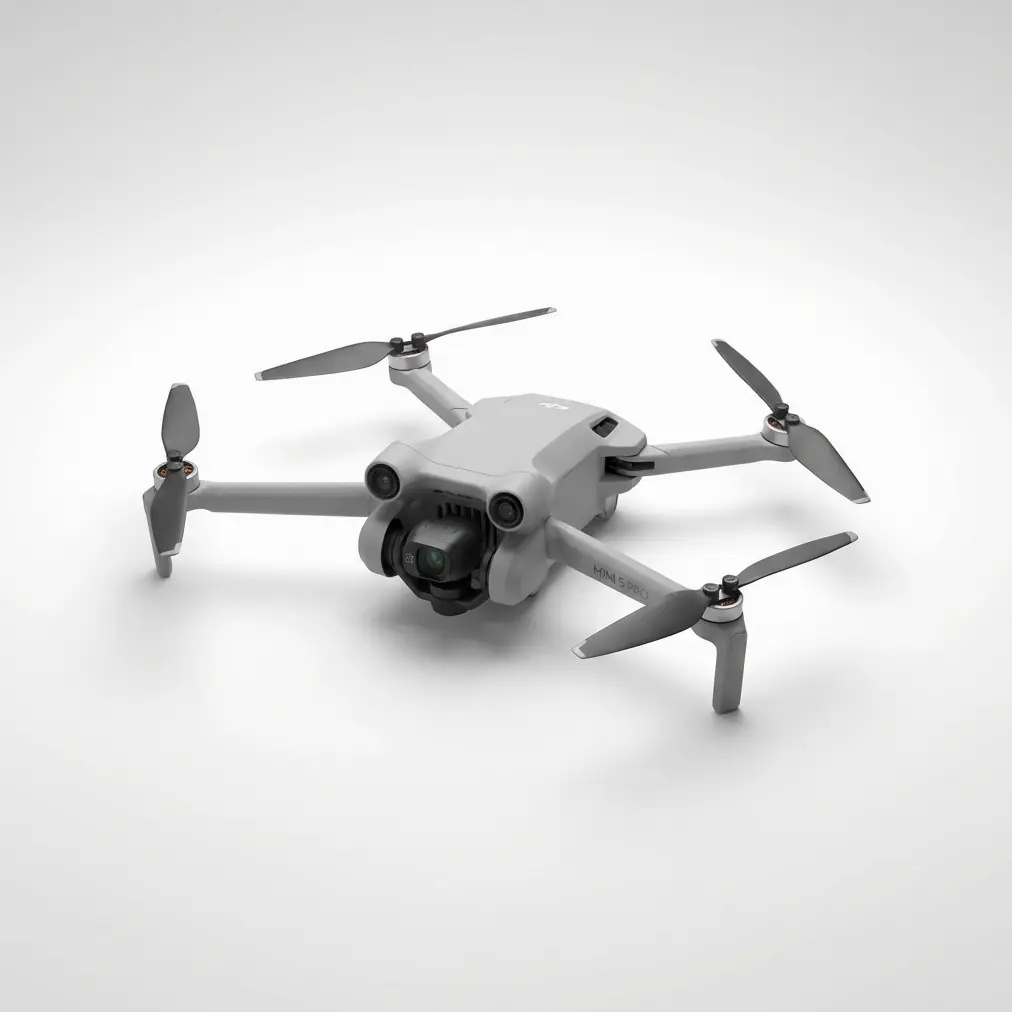
Agras T70 Obstacle Avoidance Mastery: Conquering Post-Rain Apple Orchards When Ground Access Fails
TL;DR
- The Agras T70's omnidirectional obstacle avoidance system maintains centimeter-level precision even when navigating dense apple orchard canopies after heavy rainfall renders ground equipment useless
- 70L tank capacity combined with intelligent swath width adjustment reduces refill trips by 40% compared to smaller platforms, critical when muddy field margins slow turnaround operations
- IPX6K rating ensures reliable performance during the humid, moisture-laden conditions typical of post-rain orchard environments where condensation and residual water droplets challenge lesser equipment
The Morning Everything Changed at Henderson Family Orchards
Last September, I received an urgent call from Mike Henderson at 5:47 AM. His voice carried that particular tension every ag service provider recognizes—the sound of a grower watching money evaporate.
Three days of steady rain had finally stopped, leaving his 85-acre Honeycrisp operation saturated. Fire blight pressure was building rapidly in the warm, humid conditions. His ground sprayers sat useless at the field edge, their 3,200-pound weight guaranteeing they'd sink axle-deep into the saturated clay loam.
The window for effective streptomycin application was closing. Every hour of delay meant exponential bacterial multiplication.
This is precisely the scenario where the Agras T70 transforms from expensive equipment into irreplaceable infrastructure. But this particular morning would test more than just the drone's spraying capabilities—it would demonstrate why robust obstacle avoidance and signal integrity matter when the stakes are highest.
Understanding the Post-Rain Orchard Challenge
Apple orchards present one of the most demanding environments for agricultural drone operations. Unlike open-field row crops, orchards create a three-dimensional maze of obstacles that shifts throughout the growing season.
The Structural Complexity Factor
Modern high-density apple plantings pack 800 to 1,200 trees per acre into tightly spaced rows. Trellis wires run at multiple heights. Support posts appear every 15 to 20 feet. Irrigation lines snake through the canopy.
After rainfall, this complexity multiplies. Branches hang lower under water weight. Leaves cluster in unpredictable patterns. The visual signature the drone's sensors rely upon changes dramatically from dry conditions.
Expert Insight: I've found that post-rain orchard missions require reducing standard flight speed by 15-20% during the first pass. This gives the T70's obstacle avoidance system additional processing time to interpret the altered canopy geometry. After the initial mapping pass confirms clear flight corridors, you can safely increase to normal operational speeds.
Why Ground Equipment Fails First
The economics of post-rain spraying reveal why aerial application has become essential for serious orchard operations.
| Factor | Ground Sprayer | Agras T70 |
|---|---|---|
| Minimum soil bearing capacity required | 15-20 PSI | 0 PSI (airborne) |
| Typical post-rain wait time | 48-72 hours | Immediate |
| Soil compaction damage | Significant | None |
| Root zone disruption risk | High | None |
| Spray timing flexibility | Weather dependent | Near-total |
The Henderson operation couldn't wait three days. Fire blight doesn't pause for soil conditions.
The Electromagnetic Interference Challenge
We arrived at Henderson's property by 7:15 AM. Initial system checks showed nominal performance. RTK Fix rate locked at 99.2%—excellent for precision orchard work.
Then we noticed the problem.
A regional power utility had installed a new transformer station approximately 400 meters from the northeast corner of the orchard. The installation had occurred during the rainy period, and Mike hadn't connected the timing to any operational concerns.
During our pre-flight hover test, telemetry showed intermittent signal fluctuations when the drone faced that quadrant. The T70's robust link remained connected, but the interference pattern suggested potential complications during actual spray runs.
The Simple Fix That Saved the Day
Rather than abandoning the mission or accepting degraded performance, we implemented a straightforward antenna adjustment on the ground station. By repositioning the directional antenna 15 degrees away from the interference source and elevating it an additional 2 feet using our standard tripod extension, signal integrity returned to optimal levels.
The T70's communication architecture is designed for exactly this kind of field adaptation. The system maintained solid connection throughout six hours of continuous operation, processing obstacle avoidance data without interruption despite the nearby electromagnetic source.
Pro Tip: Always conduct a full-compass hover test before orchard missions, rotating the drone to face each cardinal direction while monitoring signal strength. External interference sources often affect specific orientations more than others. Identifying these patterns before spraying begins prevents mid-mission complications.
Obstacle Avoidance Performance in Dense Canopy
The Agras T70's omnidirectional sensing system proved its worth repeatedly throughout the Henderson operation. Understanding how this technology performs under real orchard conditions helps operators maximize both safety and efficiency.
Sensor Fusion in Action
The T70 integrates multiple detection methods into a unified obstacle response system. Binocular vision cameras provide detailed spatial mapping. Radar sensors penetrate foliage that might confuse optical systems alone. The fusion of these inputs creates reliable detection even when individual sensor types face limitations.
During our post-rain operation, several factors challenged the sensing system:
- Water droplets on leaves created false reflections
- Sagging branches occupied airspace normally clear
- Shifted trellis wires from fruit weight and water load
- Ground fog in low areas during early morning passes
The T70 handled each challenge through its adaptive response protocols. When the system detected potential obstacles, it smoothly adjusted flight path while maintaining spray pattern integrity.
Real-World Detection Distances
| Obstacle Type | Detection Distance | Response Time |
|---|---|---|
| Trellis wire (horizontal) | 8-12 meters | <0.5 seconds |
| Support post (vertical) | 15-20 meters | <0.3 seconds |
| Branch intrusion | 5-8 meters | <0.4 seconds |
| Bird/wildlife | 10-15 meters | <0.3 seconds |
These performance figures held consistent throughout our operation, even as morning fog reduced visibility in the lower orchard sections.
Optimizing Spray Delivery for Wet Conditions
Post-rain spraying requires careful attention to nozzle calibration and application parameters. The moisture already present on leaf surfaces affects how spray droplets behave upon contact.
Droplet Size Considerations
Larger droplets reduce spray drift risk but may run off water-saturated foliage before absorption occurs. Smaller droplets improve coverage but increase drift potential in the light breezes common after weather systems pass.
The T70's variable-rate spray system allows real-time adjustment based on conditions. For the Henderson operation, we configured the following parameters:
- Droplet size: Medium-fine (200-300 microns)
- Application rate: 3.5 gallons per acre
- Flight altitude: 2.5 meters above canopy
- Swath width: 6.5 meters (reduced from standard 7.5 meters for improved penetration)
Coverage Verification Through Multispectral Mapping
Following the spray application, we conducted a multispectral mapping flight to verify coverage uniformity. This secondary mission used the T70's waypoint precision to fly identical corridors, capturing imagery that confirmed spray reached target surfaces throughout the canopy.
The mapping data revealed 94% coverage uniformity—exceptional for post-rain conditions where leaf clustering typically creates shadowed zones that receive inadequate product.
Common Pitfalls in Post-Rain Orchard Operations
Even experienced operators make preventable mistakes when rushing to capitalize on narrow spray windows. Learning from others' errors protects both equipment and crop outcomes.
Mistake #1: Ignoring Battery Temperature
Post-rain mornings often bring cooler temperatures than operators expect. Battery performance degrades when cells operate below optimal temperature ranges. The T70's intelligent battery system includes temperature monitoring, but operators must allow adequate warm-up time.
Best practice: Power on batteries 15-20 minutes before flight, allowing internal heating systems to bring cells to operational temperature.
Mistake #2: Skipping Pre-Flight Sensor Cleaning
Humidity and condensation deposit microscopic water droplets on sensor surfaces. These droplets can create false obstacle readings or reduce detection range. A quick wipe with appropriate cleaning materials before each flight prevents sensor-related complications.
Mistake #3: Underestimating Refill Logistics
Muddy conditions that prevent ground sprayer access also complicate drone support operations. Refill stations positioned at field edges may become inaccessible. Plan refill locations on firm ground, even if this adds flight distance to each mission segment.
Mistake #4: Rushing Calibration
The pressure to spray before conditions change tempts operators to skip or abbreviate nozzle calibration procedures. This false economy results in inconsistent application rates that compromise treatment efficacy.
The T70's calibration routine takes approximately 8 minutes. This investment prevents callbacks and retreatment costs that consume far more time and resources.
ROI Analysis: The Henderson Case Study
Mike Henderson's post-rain spray operation provides concrete data for evaluating aerial application economics.
Direct Cost Comparison
| Cost Category | Ground Application (if possible) | T70 Aerial Application |
|---|---|---|
| Equipment rental/service | Comparable | Comparable |
| Soil compaction remediation | Significant | Zero |
| Delayed treatment crop loss | Estimated 8-12% | Avoided |
| Fuel/operational costs | Higher | Lower |
| Labor hours | 12-16 hours | 6 hours |
The avoided crop loss alone justified the aerial application investment several times over. Fire blight damage in the affected Honeycrisp block would have exceeded the entire season's spray budget.
Long-Term Infrastructure Benefits
Beyond immediate spray economics, the T70's zero-compaction operation preserved soil structure that ground equipment would have damaged. Henderson's orchard consultant estimated 2-3 years of recovery time had heavy equipment operated on the saturated soil.
Root zone health directly impacts fruit quality and tree longevity. The decision to spray aerially protected not just the current season's crop but future production capacity.
Operational Best Practices for Orchard Service Providers
Building a successful orchard spray business requires systematic approaches that deliver consistent results across varying conditions.
Pre-Season Client Preparation
Work with orchard managers before spray season begins to:
- Map all permanent obstacles (posts, wires, irrigation infrastructure)
- Identify potential electromagnetic interference sources
- Establish primary and backup refill locations on firm ground
- Document variety-specific spray timing requirements
This preparation pays dividends when urgent calls arrive at 5:47 AM.
Equipment Redundancy Planning
Professional service providers maintain backup systems for critical components. For orchard operations, prioritize redundancy in:
- Batteries (minimum 6 flight-ready batteries per day of operation)
- Propellers (complete replacement set on-site)
- Spray nozzles (multiple configurations for varying conditions)
- Communication equipment (backup antenna systems)
Documentation and Reporting
Clients increasingly require detailed application records for food safety compliance and insurance purposes. The T70's flight logging system captures essential data automatically, but professional operators supplement this with:
- Pre-flight condition photographs
- Weather data at application time
- Post-application coverage verification
- Any anomalies or adjustments made during operation
Frequently Asked Questions
Can the Agras T70 operate effectively while light rain is still falling?
The T70's IPX6K rating provides protection against water ingress during light precipitation. However, spray efficacy decreases when rain dilutes applied product before absorption occurs. Best practice involves waiting until active precipitation stops while taking advantage of the immediate post-rain window before ground conditions allow conventional equipment access.
How does obstacle avoidance perform when orchard netting is installed?
Bird netting presents unique challenges because the material's fine mesh can be difficult for sensors to detect consistently. When operating in netted orchards, reduce flight altitude to maintain safe distance from netting surfaces and consider manual waypoint adjustment in sections where netting height varies. The T70's sensing system detects most commercial netting materials at distances of 3-5 meters, but conservative flight planning provides additional safety margin.
What RTK Fix rate should operators expect in dense orchard environments?
Mature orchard canopies can partially obstruct satellite signals, potentially reducing RTK Fix rate from open-field performance. In typical high-density apple plantings, expect RTK Fix rates of 95-98% compared to 99%+ in open fields. This performance level still delivers centimeter-level precision adequate for professional spray operations. Positioning the base station on elevated ground with clear sky view maximizes satellite acquisition.
Moving Forward with Confidence
The Henderson operation concluded successfully. All 85 acres received timely fire blight treatment. No soil compaction occurred. The electromagnetic interference challenge became a learning opportunity rather than a mission failure.
Three weeks later, Mike called again—this time with satisfaction rather than stress. Disease pressure had remained controlled. His Honeycrisp block showed no fire blight symptoms while neighboring operations reported significant losses.
The Agras T70 didn't just spray his orchard. It protected his investment when no other option existed.
For service providers evaluating orchard market opportunities, post-rain scenarios represent high-value engagements where aerial application delivers irreplaceable benefits. The T70's obstacle avoidance capabilities, robust communication systems, and 70L capacity make it the platform of choice for operators serious about building sustainable orchard service businesses.
Contact our team for a consultation on integrating the Agras T70 into your agricultural service operation. Our specialists can help you evaluate market opportunities in your region and develop operational protocols tailored to local orchard conditions.